Glasgow is Scotland’s largest city and a major cultural centre known for annual events, music festivals, heritage celebrations, arts programmes, and community gatherings that attract residents and international visitors throughout the year. Its festival calendar reflects the city’s history, creative economy, and diverse communities.
- Why Is Glasgow International One of the Most Important Art Events in 2026?
- What Is the Glasgow Film Festival and Why Does It Attract International Audiences?
- How Does Celtic Connections Celebrate Scottish Traditional Music?
- What Is the Glasgow International Comedy Festival Known For?
- How Does TRNSMT Festival Shape Glasgow’s Modern Music Scene?
- What Role Does the West End Festival Play in Glasgow’s Community Culture?
- Why Is Piping Live! Important for Scotland’s Musical Heritage?
- How Do Glasgow’s Events Support Tourism and the Local Economy?
- What Are the Future Trends for Glasgow Cultural Festivals in 2026 and Beyond?
Glasgow has developed a strong reputation as a cultural destination through centuries of artistic, industrial, and social development. The city became an important trading centre during the 18th and 19th centuries, expanding through shipbuilding, engineering, education, and international commerce.
Today, Glasgow combines historic venues, modern cultural spaces, universities, museums, and performance institutions to support a year-round programme of public events. The city’s cultural identity is shaped by organisations such as the Glasgow Life, which manages many cultural venues and community programmes.
Annual events in Glasgow include music festivals, traditional celebrations, food events, film showcases, sporting gatherings, and creative exhibitions. These events support tourism, local businesses, employment opportunities, and community participation.
The city’s festival economy connects with Glasgow’s wider visitor industry. According to tourism research from Scottish cultural bodies, major events increase visitor spending through accommodation, hospitality, transport, and retail activity.
Glasgow’s cultural calendar in 2026 continues this established tradition by bringing together historic celebrations and contemporary creative experiences.
Why Is Glasgow International One of the Most Important Art Events in 2026?
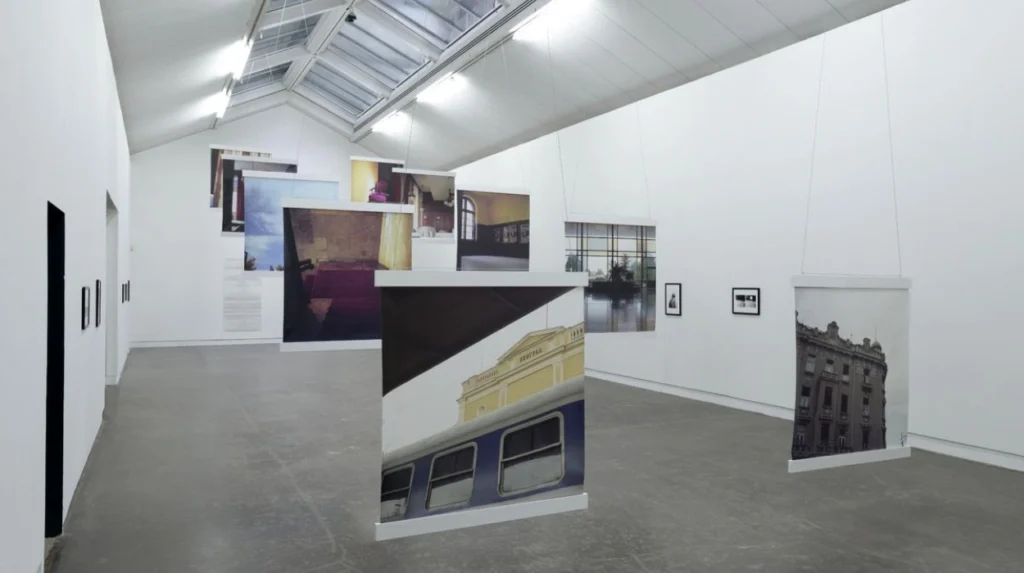
Glasgow International is a major contemporary visual arts festival that showcases local and global artists across galleries, museums, studios, and public spaces. The festival promotes experimental artwork, cultural exchange, and Glasgow’s reputation as a leading European creative city.
Glasgow International is one of Scotland’s most significant contemporary art festivals. Established in 2005, the festival operates as a city-wide platform for artists, curators, galleries, and creative organisations.
The festival presents exhibitions across Glasgow’s cultural locations, including independent galleries, artist studios, and established institutions. It focuses on contemporary art practices covering painting, sculpture, digital media, photography, performance, and installation.
Glasgow International follows a multi-venue structure. Instead of operating from one location, it transforms different parts of the city into exhibition spaces.
The festival supports emerging artists by providing opportunities to display work alongside internationally recognised creators. It strengthens connections between Glasgow’s art community and global cultural networks.
The event also reflects Glasgow’s long history of artistic innovation. The city has produced influential creative movements, including the Glasgow Style associated with designer and architect Charles Rennie Mackintosh.
For visitors in 2026, Glasgow International provides access to contemporary culture through exhibitions, talks, workshops, and creative discussions.
What Is the Glasgow Film Festival and Why Does It Attract International Audiences?
Glasgow Film Festival is Scotland’s largest annual film festival, presenting international cinema, independent films, documentaries, special screenings, and industry events. The festival connects filmmakers, audiences, and cultural organisations through a city-wide celebration of film.
Glasgow Film Festival was established in 2005 and has become one of the UK’s leading film festivals outside London.
The festival takes place across Glasgow cinemas and cultural venues, including the historic Glasgow Film Theatre.
Its programme includes feature films, short films, documentaries, classic cinema restorations, and new releases from international filmmakers. The festival also includes audience discussions, filmmaker Q&A sessions, workshops, and professional networking events.
Glasgow Film Festival contributes to the city’s creative economy by supporting cinema culture and attracting visitors during the event period.
The festival reflects Glasgow’s strong relationship with film and television production. The city provides locations for productions because of its Victorian architecture, urban landscapes, and cultural venues.
In 2026, the festival remains an important platform for discovering new cinema and celebrating established filmmaking traditions.
How Does Celtic Connections Celebrate Scottish Traditional Music?
Celtic Connections is an annual music festival celebrating Scottish traditional music, folk traditions, and international cultural connections. The festival features concerts, workshops, collaborations, and performances that preserve Scotland’s musical heritage while introducing new creative approaches.
Celtic Connections began in 1994 and has grown into one of the world’s largest celebrations of Celtic music.
The festival takes place every January across Glasgow venues, creating a major winter cultural event. It features hundreds of musicians from Scotland and other countries.
Celtic Connections highlights traditional instruments, Gaelic music, folk songs, contemporary folk styles, and international collaborations. The programme includes concerts, education sessions, community projects, and industry events.
The festival plays an important role in protecting Scotland’s intangible cultural heritage. Traditional music carries historical knowledge through language, storytelling, and performance.
Glasgow’s role as host city reflects its connection with Scottish music communities. Venues across the city provide spaces for established performers and new artists.
The festival attracts audiences from across the world and strengthens Glasgow’s position as an international music destination.
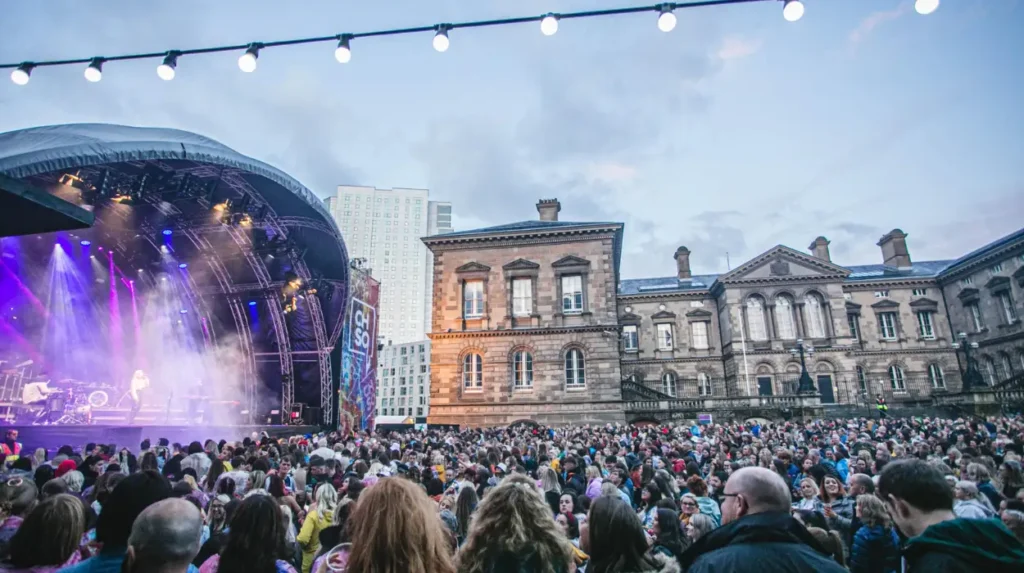
What Is the Glasgow International Comedy Festival Known For?
Glasgow International Comedy Festival is one of the UK’s largest comedy events, featuring stand-up performances, theatre comedy, sketch shows, and emerging comedians across venues throughout the city. It creates opportunities for performers and audiences to experience live entertainment.
Glasgow International Comedy Festival began in 2002 and has become a major part of Glasgow’s entertainment calendar.
The festival takes place in theatres, comedy clubs, arts centres, and smaller performance spaces. It presents professional comedians, new performers, and alternative comedy formats.
Glasgow has a strong comedy tradition supported by audiences who value live performance and creative expression. The festival contributes to the city’s reputation as a welcoming environment for entertainment.
Comedy festivals support local hospitality businesses because audiences often combine performances with restaurant visits, accommodation stays, and evening activities.
The 2026 programme continues Glasgow’s tradition of presenting diverse comedy styles and performers from different backgrounds.
How Does TRNSMT Festival Shape Glasgow’s Modern Music Scene?
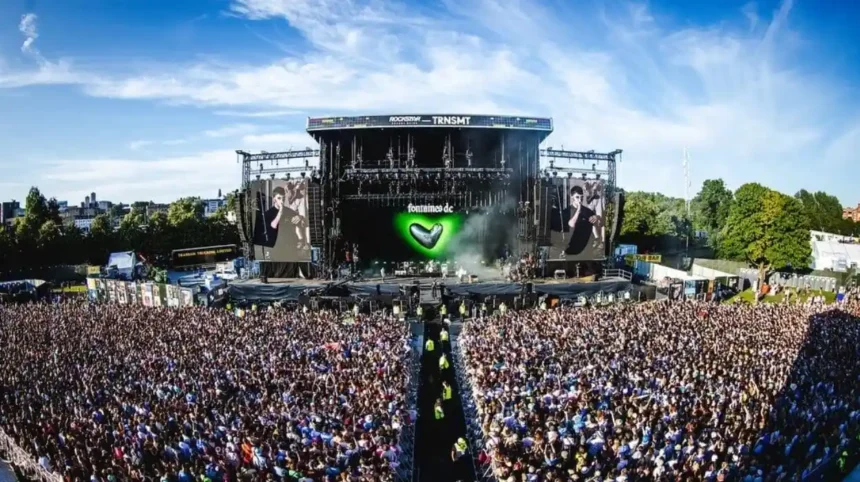
TRNSMT Festival is Glasgow’s major contemporary music festival, bringing international artists, Scottish performers, and large audiences to the city. The event strengthens Glasgow’s reputation as a global music destination and supports the local entertainment economy.
TRNSMT Festival launched in 2017 at Glasgow Green.
The festival focuses on popular music genres including rock, indie, pop, and electronic music. It attracts large audiences and features major international performers alongside Scottish talent.
TRNSMT contributes significantly to Glasgow’s live music economy. The event supports employment for performers, technical crews, security workers, hospitality staff, and event organisers.
Glasgow has a historic reputation as a live music city. Venues such as Barrowland Ballroom and other performance spaces have helped establish the city’s music identity.
The festival continues this tradition by introducing modern audiences to Glasgow’s vibrant music culture.
What Role Does the West End Festival Play in Glasgow’s Community Culture?
The West End Festival is a community-focused cultural event celebrating Glasgow’s West End through parades, performances, markets, exhibitions, and family activities. It highlights local creativity, neighbourhood identity, and community participation.
West End Festival was founded in 1996 and has become one of Glasgow’s largest community festivals.
The festival takes place across areas including Hillhead, Byres Road, and Kelvingrove. It includes music performances, cultural activities, arts events, and family programmes.
The festival demonstrates how local communities contribute to Glasgow’s cultural identity. It creates opportunities for small businesses, artists, charities, and residents to participate.
Community festivals strengthen connections between neighbourhoods and visitors. They provide accessible cultural experiences for different age groups.
The West End Festival remains an important annual event because it represents Glasgow’s local character alongside larger international festivals.
Why Is Piping Live! Important for Scotland’s Musical Heritage?
Piping Live! is an annual bagpipe festival in Glasgow that celebrates Scotland’s national instrument through competitions, concerts, workshops, and performances. The event connects traditional Scottish music with international audiences and performers.
Piping Live! is organised alongside major piping competitions and attracts musicians from Scotland and around the world.
The festival includes performances by professional pipers, educational activities, and public events throughout Glasgow.
Bagpipe music has historical importance in Scotland, representing cultural traditions connected with communities, ceremonies, and national identity.
Piping Live! supports the continuation of piping skills by encouraging younger musicians and providing international performance opportunities.
The festival contributes to Glasgow’s cultural tourism by offering visitors an experience connected with Scottish heritage.
Explore More Area Guide
Why SWG3 Is Scotland’s Creative Venue | Glasgow 2026
Best Vintage Shops and Record Stores Glasgow 2026
How Do Glasgow’s Events Support Tourism and the Local Economy?
Annual cultural events support Glasgow’s economy by increasing visitor spending, creating employment, strengthening hospitality businesses, and promoting the city as a global destination. Festivals contribute to tourism growth through accommodation, transport, food, and cultural experiences.
Glasgow’s event sector forms an important part of the city’s economy. Festivals attract visitors who spend money on hotels, restaurants, cafes, transport services, and retail businesses.
Major events also create temporary and permanent employment opportunities. Roles include event management, production, hospitality, marketing, security, and creative work.
Cultural tourism research shows that visitors increasingly choose destinations based on unique cultural experiences. Glasgow’s diverse event calendar provides year-round reasons to visit.
Events also support local identity by creating spaces where communities celebrate history, creativity, and shared traditions.
What Are the Future Trends for Glasgow Cultural Festivals in 2026 and Beyond?
Glasgow’s cultural festivals in 2026 focus on sustainability, digital innovation, accessibility, and international collaboration. Future event development combines traditional heritage with modern creative industries to maintain Glasgow’s position as a leading cultural destination.
Festival organisers increasingly focus on environmentally responsible practices, including waste reduction, sustainable transport options, and efficient resource management.
Digital technology continues to influence cultural events through online access, digital exhibitions, and improved visitor information systems.
Accessibility is also becoming a key priority. Festivals are expanding inclusive programmes that allow wider participation from different communities.
Glasgow’s combination of heritage festivals and modern creative events ensures continued cultural relevance. The city’s annual events calendar remains an important part of Scotland’s cultural landscape.
What are the biggest annual events and cultural festivals in Glasgow 2026?
Glasgow hosts major annual events including Celtic Connections, Glasgow Film Festival, Glasgow International, TRNSMT Festival, West End Festival, Glasgow International Comedy Festival, and Piping Live! These events represent music, film, art, comedy, and Scottish heritage throughout the year.