Key Points
- 22 beloved Glasgow shops that have closed are still missed by locals today
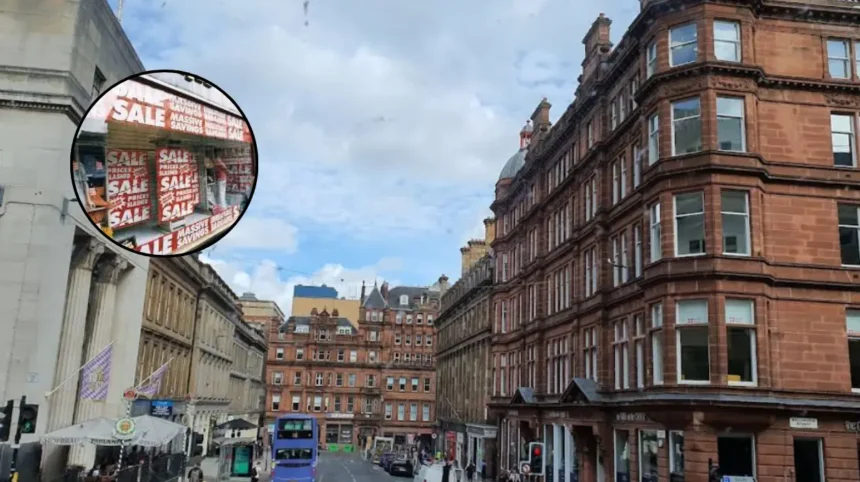
- Sauchiehall Street, Buchanan Street, and Argyle Street have long been at the heart of Glasgow’s retail and social life
- Many Glaswegians hold vivid memories of the shops that once lined these famous streets
- For generations, people made weekend trips into town to buy clothes or records, staying up to date with latest fashions and trends
- The list was published by GlasgowWorld in a retro feature titled “22 beloved Glasgow shops from years gone by that locals still miss today”
Glasgow (Glasgow Express) June 22, 2026 –“These are the Glasgow shops from years gone by that Glaswegians still miss today”. The publication has compiled a list of 22 beloved Glasgow shops that have closed over the years but continue to hold emotional significance for local residents who remember them fondly.
- Key Points
- Why do Glasgow locals still remember these closed shops so vividly?
- Which Glasgow streets were home to the most missed shops?
- What does this retro list reveal about Glasgow’s retail heritage?
- Background: Glasgow’s Retail History and the Closure of Independent Shops
- Prediction: How the Loss of These 22 Shops Will Continue to Affect Glaswegian Shoppers
The article highlights that
“Sauchiehall Street, Buchanan Street and Argyle Street have long been at the heart of Glasgow’s retail and social life, and many Glaswegians still hold vivid memories of the shops that once lined these famous streets”.
These three streets form the core of Glasgow’s city centre shopping district and have been central to the city’s commercial identity for decades.
Why do Glasgow locals still remember these closed shops so vividly?
According to GlasgowWorld,
“For generations, people made weekend trips into town to pick up new clothes or records, making sure they stayed up to date with the latest fashions and trends”.
This weekly ritual of shopping in Glasgow’s city centre created deep cultural and emotional connections between residents and the businesses that served them.
The retro feature emphasises that these shops were not merely commercial establishments but social landmarks where Glaswegians gathered, explored new trends, and shared experiences across multiple generations.
The vivid memories retained by locals demonstrate how deeply embedded these retail spaces were in Glasgow’s community identity.
Which Glasgow streets were home to the most missed shops?
The GlasgowWorld article identifies three specific streets as the primary locations of the missing shops:
These streets collectively represent Glasgow’s traditional shopping heartland, where weekend trips into town were a standard family activity for generations.
What does this retro list reveal about Glasgow’s retail heritage?
The compilation of 22 missing shops demonstrates the significant transformation Glasgow’s retail landscape has undergone over recent decades.
As noted by GlasgowWorld, the city’s famous shopping streets once hosted a diverse array of businesses that catered to local needs for clothing, music records, and fashion trends.
The article frames this as a nostalgic look back at Glasgow’s Golden Age of shopping, before the rise of online retail and large shopping centres changed how Glaswegians access goods and services.
The fact that locals still miss these specific shops indicates the strong personal connections formed with independent and local businesses.
Background: Glasgow’s Retail History and the Closure of Independent Shops
The 22 shops featured in GlasgowWorld’s retro list represent a broader pattern of retail change that has affected Glasgow and other UK cities over the past 30 years. Sauchiehall Street, Buchanan Street, and Argyle Street have historically formed Glasgow’s primary shopping corridor, known collectively as the “Style Mile”.
Buchanan Street, in particular, has been Glasgow’s premier shopping destination since the 19th century, hosting both independent retailers and major department stores.
Sauchiehall Street was traditionally known for its variety of smaller shops, music stores, and fashion boutiques that catered to Glasgow’s youth culture. Argyle Street connected these shopping areas and hosted additional retail establishments that served local residents.
The closure of these 22 shops reflects multiple factors including the rise of online shopping, the expansion of out-of-town retail parks, increased business rates in city centres, and the dominance of large chain stores that have replaced many independent businesses.
This pattern has been documented across Scotland and the UK, with Glasgow experiencing significant changes to its traditional retail landscape.
The vivid memories retained by Glaswegians about these shops demonstrate how independent retail businesses often became community anchors, where shopkeepers knew customers personally and stores adapted to local needs rather than following corporate standardisation.
Explore More Local Glasgow News
Motherwell Garden Shed Burnt by Fireworks – Motherwell 2026
Glasgow Historic Buildings Hit £1B Heritage Deficit Crisis 2026; Glasgow
Prediction: How the Loss of These 22 Shops Will Continue to Affect Glaswegian Shoppers
This development—specifically the documented loss of 22 beloved Glasgow shops and the ongoing public nostalgia for them—will affect Glasgow locals in several significant ways:
Emotional and Cultural Impact on Glaswegian Residents
Glaswegians who retain vivid memories of these shops will continue experiencing a sense of cultural loss as the physical landmarks of their shopping youth disappear.
As GlasgowWorld noted that
“many Glaswegians still hold vivid memories of the shops that once lined these famous streets,”
this emotional connection suggests that older residents may feel increasingly disconnected from the modern city centre as it changes.
Impact on Weekend Shopping Rituals
The traditional weekend trip into town to “pick up new clothes or records” that “for generations” defined Glasgow shopping culture is now fundamentally altered.
Families and individuals who previously visited these specific shops must now navigate completely different retail environments, potentially reducing the frequency of city centre visits and weakening the social aspect of shopping that previously brought Glaswegians together.
Effect on Local Fashion and Trend Accessibility
According to GlasgowWorld, people previously used these shops to “stay up to date with the latest fashions and trends”.
The closure of independent retailers often reduces the diversity of fashion options available locally, potentially forcing Glaswegians to rely more heavily on chain stores or online shopping, which may not cater specifically to local tastes or provide the same personal service.
Economic Impact on Glasgow’s City Centre Identity
The loss of 22 shops from Sauchiehall Street, Buchanan Street, and Argyle Street contributes to the broader transformation of Glasgow’s retail heartland.
This affects how the city presents itself to visitors and residents, potentially diminishing Glasgow’s reputation as “the greatest city in Scotland for shopping” that was especially true during the department store age.
Long-term Community Connection Changes
As these shops disappear from the physical landscape, younger Glaswegians who never experienced them will lack the shared cultural reference points that older residents possess.
This creates a generational divide in how different age groups experience and remember Glasgow’s city centre, potentially affecting community cohesion around shared local experiences.
The persistence of nostalgia for these 22 shops suggests that Glaswegians value the personal connections, local character, and community atmosphere that independent retail spaces provided—elements that are difficult to replicate in modern retail environments dominated by chains and online shopping.