Key Points
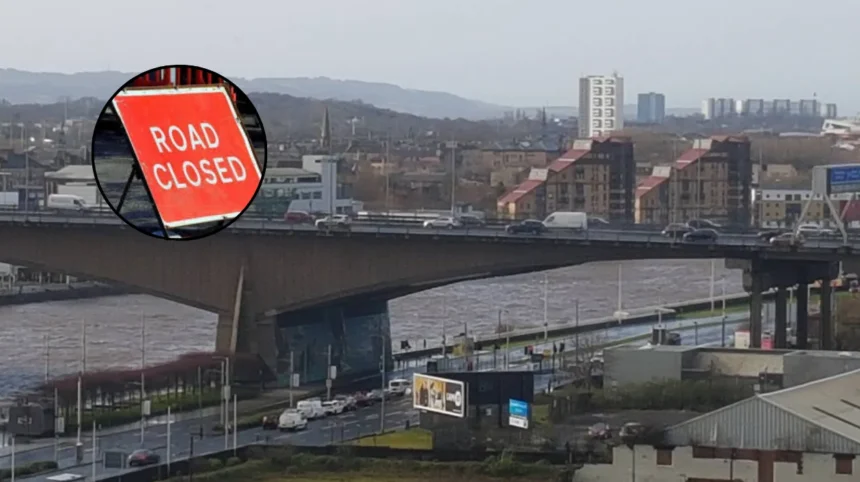
- A road traffic collision on the Clydeside Expressway partially blocked the nearside lane of the eastbound carriageway just before the M8 on-ramp to the Kingston Bridge
- Glasgow City Council’s traffic team issued an alert around 10:40pm on Wednesday, June 3, 2025
- The lane restriction lasted approximately 40 minutes before the route fully reopened at about 11:20pm
- This incident was described as “another crash” on the Clydeside Expressway, indicating a pattern of accidents on this route
- The crash occurred on a key Glasgow route experiencing regular traffic disruption
- Emergency services attended the scene, though no injuries were reported in this specific incident
- Motorists were advised to seek alternative routes during the closure
Glasgow (Glasgow Express) June 4, 2026 – As reported by the Glasgow Times, the incident caused measurable disruption to evening commuters traveling on this critical artery.
- Key Points
- Why Is This Described as “Another Crash” on the Clydeside Expressway?
- What Previous Accidents Have Occurred on the Clydeside Expressway?
- What Do Traffic Authorities Say About the Incident?
- How Does the Kingston Bridge Factor Into This Location’s Safety Concerns?
- What Were the Immediate Consequences for Motorists?
- How Long Were Drivers Actually Delayed?
- What Safety Questions Does This Incident Raise?
- Are There Plans for Safety Improvements?
- What Should Drivers Expect Going Forward?
- Background: The Development of Clydeside Expressway Safety Concerns in Glasgow
- Prediction: How This Development Can Affect Glasgow Commuters and Local Businesses
- Effect on Local Businesses
- Long-term Safety Implications
The eastbound Clydeside Expressway serves thousands of drivers daily, connecting the city centre to western Glasgow and providing essential access to the M8 motorway network. During the 40-minute closure, motorists faced delays and were forced to seek alternative routes through Glasgow’s congested city streets.
The timing of the incident—just after 10:40pm—meant that many drivers were still traveling home from work or evening activities, compounding the impact on traffic flow throughout the city. Traffic Scotland and Glasgow City Council coordinated the response, with the traffic team monitoring the situation closely until the route reopened.
Why Is This Described as “Another Crash” on the Clydeside Expressway?
The description of this incident as “another crash” on the Clydeside Expressway reflects a concerning pattern of accidents on this section of road. This phrasing suggests that crashes on the Clydeside Expressway near the Kingston Bridge have become relatively frequent, raising questions about road safety at this location.
What Previous Accidents Have Occurred on the Clydeside Expressway?
tragically, a fatal incident occurred on the same expressway in January 2025. As reported by BBC News, a man died after being hit by an HGV on the Clydeside Expressway in Glasgow, with Police Scotland confirming the incident happened near the point where traffic joins the road from the Kingston Bridge at about 13:30 on Wednesday. The busy dual carriageway was closed in both directions and fully reopened at about 19:20.
Additionally, in June 2025, a woman was hurt after her car flipped onto its roof on the Clydeside Expressway. As reported by BBC News, police closed the dual carriageway to traffic in both directions, though it has since reopened.
First responders arrived at the incident site, close to the footbridge adjacent to the Clydeside Distillery, around 08:50, and the 36-year-old woman was subsequently transported to Queen Elizabeth University Hospital for medical care.
These incidents demonstrate that the Clydeside Expressway has experienced multiple accidents in recent months, ranging from serious collisions involving heavy goods vehicles to single-vehicle accidents resulting in overturned cars.
What Do Traffic Authorities Say About the Incident?
Glasgow City Council’s traffic team was the first to issue the official alert regarding the June 3 crash. According to their statement, the nearside lane of the eastbound carriageway was partly blocked just before the M8 on-ramp to the Kingston Bridge. The council’s traffic team monitored the situation throughout the clearance operation.
As reported in the alert, the restriction was in place for around 40 minutes before the route was confirmed to have fully reopened at about 11:20pm. This relatively quick clearance time suggests that emergency services and recovery teams responded efficiently to the incident.
How Does the Kingston Bridge Factor Into This Location’s Safety Concerns?
The Kingston Bridge is one of the busiest bridges in Europe, carrying over 200,000 vehicles daily across the River Clyde. The M8 on-ramp to the Kingston Bridge represents a critical junction where traffic merges onto the expressway, creating potential conflict points between vehicles at different speeds.
The location of this crash—just before the M8 on-ramp to the Kingston Bridge—places it at a particularly sensitive point in the road network. This area sees heavy traffic volumes as drivers approach the bridge from the city centre, with vehicles accelerating to merge onto the expressway.
What Were the Immediate Consequences for Motorists?
Motorists traveling eastbound on the Clydeside Expressway on Wednesday evening faced immediate disruption when the lane closure was implemented.
The partial blockage of the nearside lane meant that traffic had to merge right, creating congestion that rippled backward through evening traffic.
How Long Were Drivers Actually Delayed?
While the official lane closure lasted 40 minutes, the actual delay experienced by drivers likely extended beyond this timeframe.
Traffic congestion typically takes time to dissipate after a lane reopens, and drivers who encountered the initial backup may have experienced delays of 15-30 minutes beyond the official closure period.
What Safety Questions Does This Incident Raise?
The repeated description of crashes on the Clydeside Expressway as “another crash” raises important questions about road safety at this location. Road safety advocates may ask whether additional measures are needed to prevent accidents at this critical junction.
Are There Plans for Safety Improvements?
While no specific safety improvement plans were announced in connection with this incident, the pattern of accidents on the Clydeside Expressway may prompt authorities to review the safety features at this location. Previous fatal and serious accidents on the same stretch of road have already drawn attention to safety concerns.
What Should Drivers Expect Going Forward?
Drivers using the Clydeside Expressway should remain vigilant, particularly when approaching the M8 on-ramp to the Kingston Bridge. The incident serves as a reminder that this busy route remains susceptible to unexpected disruptions.
motorists are advised to allow extra journey time when traveling on this route, especially during evening hours when traffic volumes remain high.
Following the council’s guidance during incidents and being prepared for alternative routes can help minimize the impact of future disruptions.
Background: The Development of Clydeside Expressway Safety Concerns in Glasgow
The Clydeside Expressway (A814) is a major dual carriageway running from Glasgow city centre to the west of the city, forming a critical component of the city’s road network.
The expressway connects directly to the Kingston Bridge, one of Europe’s busiest bridges, creating a high-volume traffic corridor that serves hundreds of thousands of vehicles weekly.
The January 2025 fatal accident, where a man was struck by an HGV near the Kingston Bridge merge point, marked a tragic escalation in safety concerns on this route. Police Scotland confirmed that emergency services attended but the male pedestrian was pronounced dead at the scene, with the road closed in both directions for approximately six hours.
The June 2025 incident involving a woman whose car flipped onto its roof further demonstrated the variety of accident types occurring on the expressway.
This accident occurred near the footbridge adjacent to the Clydeside Distillery, showing that safety concerns extend beyond just the Kingston Bridge merge point.
The Wednesday, June 3, 2025 crash represents the continuation of this concerning pattern, with authorities describing it explicitly as “another crash” on the Clydeside Expressway.
This phrasing indicates that such incidents have become sufficiently frequent to be noted as a pattern rather than isolated events.
The expressway’s importance to Glasgow’s transportation network means that any closure has significant ripple effects throughout the city’s traffic system. The 40-minute closure on June 3, while relatively brief, still disrupted evening commutes for thousands of drivers.
Prediction: How This Development Can Affect Glasgow Commuters and Local Businesses
Glasgow commuters using the Clydeside Expressway can expect continued vulnerability to unexpected disruptions.
The pattern of accidents suggests that drivers should build additional contingency time into their journeys, particularly during evening hours when the June 3 incident occurred. Regular commuters may need to consider alternative routes or adjusted travel times to minimize exposure to potential delays.
The relatively quick 40-minute clearance time on June 3 demonstrates that authorities have improved their response efficiency, but even brief closures can cause significant congestion on such a heavily trafficked route. Commuters should monitor Traffic Scotland updates before traveling during peak periods.
Effect on Local Businesses
Local businesses along the Clydeside Expressway corridor may experience indirect impacts from frequent disruptions. Delivery schedules can be affected by unexpected lane closures, potentially increasing costs for businesses relying on just-in-time delivery. Retail and service businesses near the expressway may see reduced foot traffic during incidents when access is受限.
The pattern of accidents could also affect property values and business investment in the immediate corridor if safety concerns persist without visible improvement measures.
Long-term Safety Implications
If the pattern of accidents continues without intervention, authorities may eventually implement safety improvements at the Kingston Bridge merge point. This could include enhanced signage, speed monitoring, or physical infrastructure changes. Such improvements would likely involve temporary additional disruptions during construction but could reduce long-term accident frequency.