

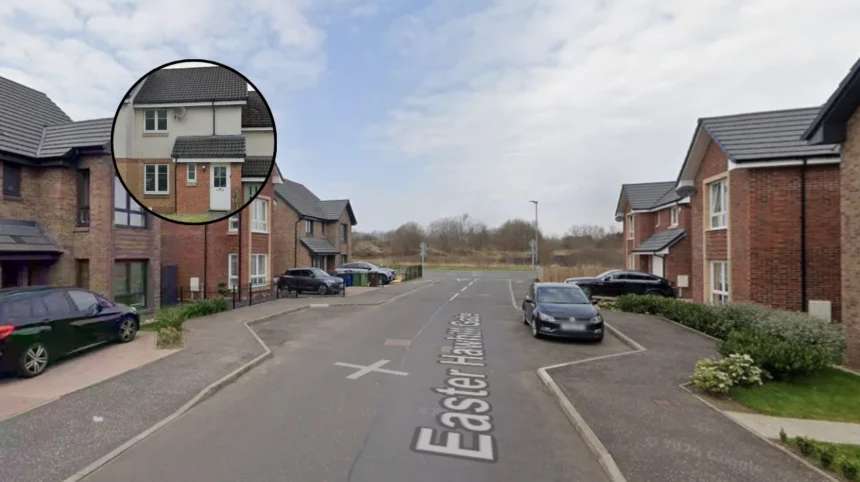
Key Points
- An application for a short-term let licence for a property at Easter Hawhill Gate in Broomhouse, Glasgow, has been rejected by Glasgow’s licensing committee.
- Neighbours complained that the house, owned by Claris Ankunda, had been operating without permission as a short-term rental.
- Groups of more than 15 people stayed at the property, including stag and hen parties, leading to disruption.
- Residents reported parties and drug use associated with the lets.
- The property was let without a required short-term let licence in place.[ from query]
Glasgow (Glasgow Express) May 6, 2026 –An application for a short-term let licence at a Broomhouse property has been rejected after neighbours raised concerns over unauthorised operation, parties, and drug use. Residents near Easter Hawhill Gate told Glasgow’s licensing committee that Claris Ankunda’s home had been rented to groups exceeding 15 people without a licence. The committee blocked the licence following these complaints.
- Key Points
- What Led to the Licence Rejection in Broomhouse?
- Why Did Neighbours Complain About Parties and Drug Use?
- How Does Scotland’s Short-Term Let Licensing Work?
- What Similar Cases Have Occurred in Glasgow?
- Why Is Glasgow Cracking Down on Short-Term Lets?
- Background of the Development
- Prediction: Impact on Local Residents
What Led to the Licence Rejection in Broomhouse?
As reported by GlasgowLive, neighbours stated the property had been used for stag and hen parties, causing significant disruption in the quiet residential area.
They claimed groups of “more than 15” occupied the house at times, operating illegally prior to the application. Glasgow’s licensing committee, part of Glasgow City Council, reviewed the evidence and denied the request.
The complaints highlighted a pattern of antisocial behaviour linked to the short-term lets. Residents living nearby expressed frustration over the impact on their daily lives.
No direct quotes from Claris Ankunda appear in the coverage, but the decision underscores enforcement of Scotland’s short-term let regulations.
This case aligns with broader efforts in Glasgow to regulate short-term rentals amid rising complaints. Similar issues have arisen in other areas, where unlicensed operations precede formal applications.
Why Did Neighbours Complain About Parties and Drug Use?
Neighbours specifically cited parties and drug use as key issues during the licensing hearing.
As detailed in the GlasgowLive article, the property at Easter Hawhill Gate was accused of hosting disruptive events without oversight. These claims formed the basis for opposition to the licence application.
Glasgow City Council’s licensing committee considers neighbour objections seriously under the short-term lets licensing scheme introduced in Scotland in 2022.
The scheme requires hosts to obtain permission to prevent housing loss and antisocial behaviour. In this instance, prior unlicensed activity weighed heavily against approval.
Residents told the committee that the scale of gatherings—more than 15 people—exceeded typical residential use.
Stag and hen parties were named as frequent occurrences, contributing to noise and disturbance. The committee’s rejection reflects direct response to these testimonies.
How Does Scotland’s Short-Term Let Licensing Work?
Scotland implemented a national short-term lets licensing scheme in 2022 to address concerns over housing supply and community impacts.
Local councils, including Glasgow City Council, administer licences with fees based on capacity: £250 for up to four guests, £400 for five or more.
Applicants must provide evidence of planning permission if required and comply with conditions like neighbour notifications and waste management.
GlasgowLive notes that unlicensed operation prior to application, as in Claris Ankunda’s case, often leads to rejection.
The guidance for hosts emphasises case-by-case assessments for material changes of use. In residential areas like Broomhouse, conversions to short-term lets face scrutiny to protect long-term housing stock.
What Similar Cases Have Occurred in Glasgow?
Glasgow has seen multiple short-term let disputes. In one instance, Glasgow City Council sought a court interdict against Ahmed Boutoubane’s Victoria Road property after noise and antisocial complaints, despite an enforcement order.
Another case involved Sheraz Ramzan’s West End flat near Kelvingrove Park, where an appeal against a council ban was lost; planners ruled it an unauthorised residential change.
More recently, plans for B-listed townhouses on Berkeley Street by Gurmit Dhaliwal were recommended for refusal due to housing loss concerns in Anderston. These examples show a pattern of neighbour objections leading to blocks or enforcement.
An overseas worker on Lethington Avenue won approval despite policy opposition, citing no complaints since 2019, highlighting variability in outcomes.
Why Is Glasgow Cracking Down on Short-Term Lets?
Glasgow’s actions fit into Scotland-wide measures against the housing crisis and antisocial behaviour from rentals. MPs have noted issues like parties and drug dens plaguing neighbourhoods UK-wide, prompting licensing calls.
The Scottish Government delayed full rollout to allow local schemes, but enforcement remains strict. Councils can prosecute violators, with fines up to £50,000 in related landlord bans.
In Glasgow, complaints trigger reviews, as with Claris Ankunda’s application. Neighbours must be notified, and evidence like that from Easter Hawhill Gate residents can sway decisions.
Background of the Development
Scotland’s short-term lets licensing scheme originated in 2022 under the Housing to 2040 plan, aiming to reclaim homes for residents amid a crisis. Glasgow City Council, as the licensing authority, processes applications via public committees where objections are heard.
The Broomhouse case exemplifies how prior unlicensed use—common since platforms like Airbnb grew—prompts rejections. Regulations require planning checks and neighbour consultations, building on earlier enforcement like court interdicts since 2020. This framework stems from community feedback on noise, parties, and lost housing in tourist-heavy areas.
Prediction: Impact on Local Residents
This development can affect Broomhouse residents by reducing future disruptions from large gatherings at the property, potentially restoring quieter conditions. Neighbours may experience less noise and antisocial activity, improving daily living near Easter Hawhill Gate. However, it reinforces council enforcement, which could delay legitimate applications elsewhere, affecting potential income for compliant hosts while prioritising community stability. Local housing supply remains protected, benefiting long-term renters in a tight market.