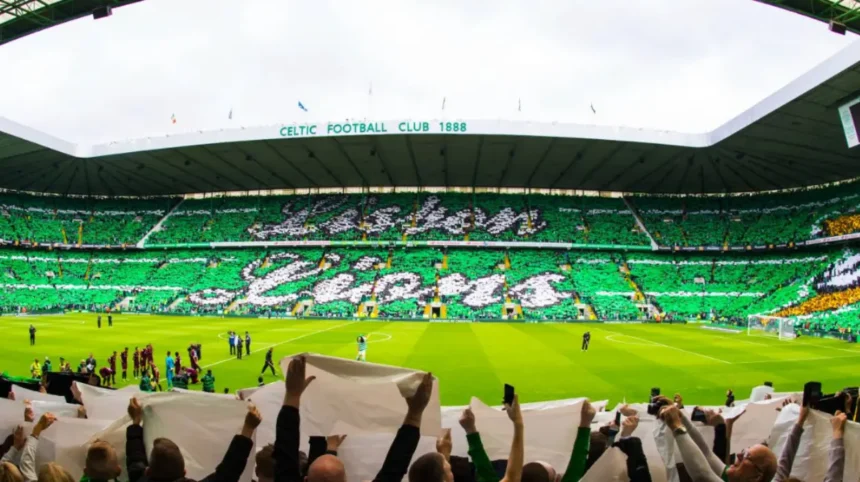
The Celtic Season Ticket Alliance is growing fast because it gives regular Celtic supporters a simple, collective way to organise around the club, without asking them to pay upfront. Interest has risen sharply in Glasgow because the plan ties together fan identity, season ticket demand, and a direct response to frustration over how the club is being run.
- What is the Celtic Season Ticket Alliance?
- Why is it popular in Glasgow?
- How does the plan work?
- Why do season ticket holders matter so much?
- What role do fan frustrations play?
- What makes the timing important?
- What does this mean for Celtic’s future?
- Why does this matter beyond Glasgow?
- How should readers understand the popularity?
What is the Celtic Season Ticket Alliance?
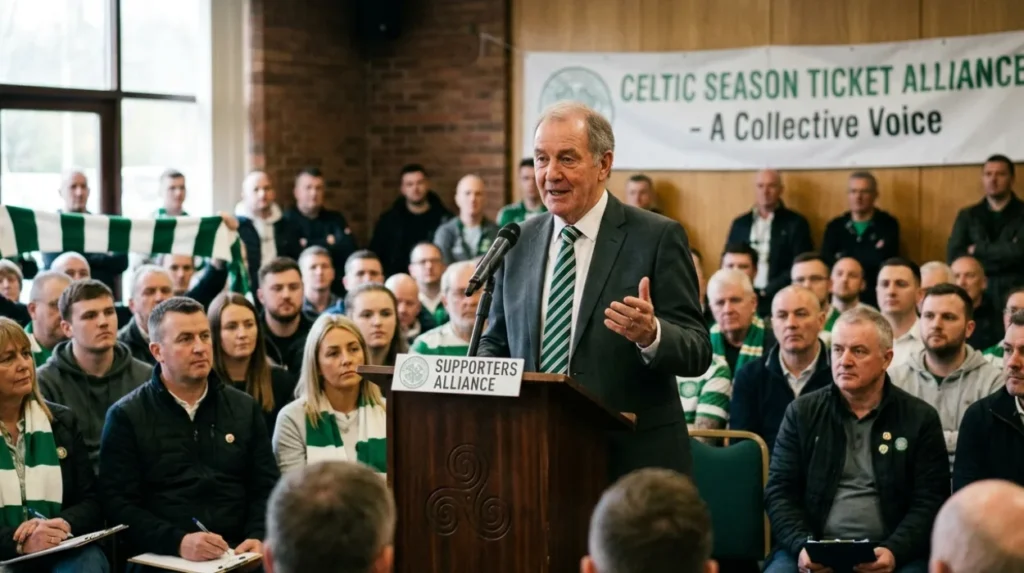
The Celtic Season Ticket Alliance is a proposed supporters’ trust-style group built around Celtic’s season ticket holders, with the aim of giving them a stronger collective voice and, over time, greater ownership influence. It was outlined by Glasgow businessman and former Celtic non-executive director Lord Willie Haughey, who said the core group is the club’s 54,000 season ticket holders.
The structure is notable because it starts with the people who already commit financially every season. Haughey said the first phase is for season ticket holders, then the group can open to other supporters, including shareholders and non-season-ticket fans. That design gives the alliance a clear membership base, a practical purpose, and a large built-in audience.
The proposal is also intentionally low-friction. Haughey stated that joining would not cost season ticket holders anything, and that registration would only require basic contact details. That simplicity helps explain the rapid interest.
Why is it popular in Glasgow?
It is popular because it speaks directly to Celtic supporters who want more influence, more unity, and a louder role in decisions affecting the club. Glasgow is the club’s home city, and Celtic Park sits at the centre of a fan culture where identity, loyalty, and matchgoing tradition matter strongly.
Recent tension between fans and the club has also increased demand for a formal support structure. BBC reporting said fan demonstrations became common at Celtic Park amid dissatisfaction over transfer spending and the unsuccessful move to appoint Wilfried Nancy as manager. In that climate, a season-ticket-led alliance feels like a structured answer rather than another social-media campaign.
There is also a practical reason for the appeal. Celtic’s season tickets are scarce and highly valued, and the club has a long waiting list, which keeps demand high and helps season ticket holders see themselves as the club’s committed core. That scarcity gives the alliance a ready-made sense of importance.
How does the plan work?
The plan works by enrolling season ticket holders first, then using that large membership to build influence, communication power, and eventually share ownership. Haughey has said the alliance is designed to bring harmony and create a better relationship between supporters and club leadership.
The first stage is membership registration. Haughey explained that season ticket holders would join at no cost, and that the initial target is the 54,000 fans who make up the main body of Celtic’s matchgoing support. After that, the project can widen to include other supporters and shareholders.
The longer-term ambition is ownership-linked. BBC reported that Haughey intends to invest £2 million in shares for every 10,000 fans who register. That creates a clear mechanism: fan numbers become a signal of collective weight, and that weight can be converted into shareholding strength.
Why do season ticket holders matter so much?
Season ticket holders matter because they represent Celtic’s most reliable paying base, the most regular stadium audience, and the group most connected to weekly club operations. In Haughey’s framing, they are “the essence of Celtic” and the club’s “heartbeat”.
Celtic’s season ticket system also gives this group practical leverage. The club’s season ticket FAQs show that season ticketing is a formal, organised part of the club’s supporter experience, with dedicated processes for buying, renewals, concession access, and related fan services. That infrastructure makes season-ticket-based organisation easier than starting from scratch.
The importance of season ticket holders also becomes clearer when demand is strong. Celtic season tickets cover all 19 home league matches, and reported pricing for the 2025-26 campaign showed the cheapest adult season book starting at £608, with under-13 tickets at £50 for the season. High demand plus high commitment creates a natural base for collective action.
What role do fan frustrations play?
Fan frustration plays a central role because the alliance arrives during a period of dissatisfaction over recruitment, club communication, and decision-making. BBC reported that supporters had been protesting about perceived underinvestment in transfers and the handling of the Wilfried Nancy managerial situation.
That matters because fan groups grow fastest when they respond to real pressure points. Supporters do not join abstract ideas as quickly as they join movements that address current problems. A supporters’ trust backed by a major Celtic figure gives that frustration a formal outlet.
The appeal also rests on communication. Haughey described the project as a way to improve the relationship between the club and its fans. For many supporters, a direct two-way channel is more valuable than a general statement of goodwill.
What makes the timing important?
The timing is important because the alliance has arrived when Celtic fans are already engaged, organised, and paying close attention to club direction. This creates strong momentum for sign-ups and discussion.
One reason the timing lands well is that season-ticket demand remains extremely strong. Reporting from 2025 showed Celtic season tickets include all 19 home league matches, while the club also operated a 7,000-strong waiting list for new applicants. High demand tends to strengthen supporter identity and increase interest in representation.
Another reason is the club’s wider commercial environment. Season ticket holders are already embedded in a structured ticketing ecosystem, and the club’s own FAQs show how formal and organised that support channel is. A season-ticket alliance fits naturally into that environment.
What does this mean for Celtic’s future?
It means supporter influence at Celtic has become a bigger issue, and the alliance turns that issue into a formal project with numbers, structure, and financial ambition. If the group reaches scale, it can become a meaningful force in conversations about governance and communication.
The future relevance is not limited to protests or short-term reactions. Haughey’s model suggests a longer-term ownership pathway, with the possibility of building a substantial combined shareholding if enough fans join. That makes the alliance more than a petition or online forum.
It also changes expectations around representation. Once a large block of season ticket holders is organised, fans begin to expect clearer consultation and stronger accountability. That has implications for how Celtic interacts with its core support going forward.
Why does this matter beyond Glasgow?
It matters beyond Glasgow because Celtic has a global fanbase, and a large, organised season-ticket group can influence how modern football clubs respond to supporters everywhere. Haughey said the alliance could eventually include diaspora supporters as well as season ticket holders.
That wider reach matters because Celtic is not only a local club. It is a global brand with supporters across Scotland, Ireland, and international communities. A model built in Glasgow can quickly become a reference point for other clubs facing similar tensions between fans and ownership.
The project also reflects a wider football trend. Supporters increasingly want formal channels, transparent communication, and a place in club governance. A season-ticket alliance makes those demands concrete rather than symbolic.

How should readers understand the popularity?
The popularity comes from a rare combination of identity, access, timing, and purpose. It is rooted in Celtic’s biggest committed fan group, requires no upfront payment, and arrives during a period of visible dissatisfaction with the club.
It is also easy to understand. The alliance does not depend on complicated membership tiers. It begins with a simple premise: season ticket holders are the club’s core, and they should have a stronger collective voice. That clarity makes it easier to explain, share, and support.
For Glasgow readers, the appeal is especially direct. This is a local football story about local influence, local identity, and the relationship between a major club and its most loyal supporters. Those themes have lasting relevance because they are built into the city’s football culture.
What is the Celtic Season Ticket Alliance?
The Celtic Season Ticket Alliance is a proposed supporters’ group built around season ticket holders of Celtic FC, designed to give fans a stronger collective voice and potential influence in club decisions.