

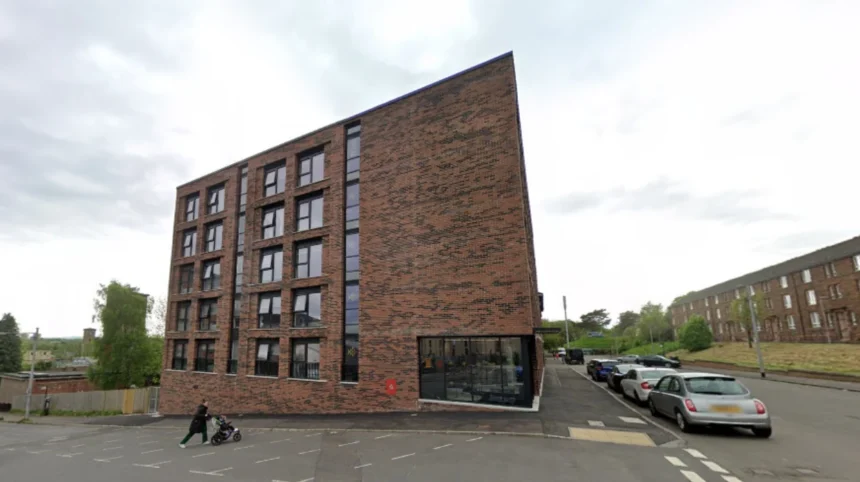
In recent years, a growing number of Glaswegians have shifted their preference from the West End to the Southside, a trend driven by housing costs, lifestyle choices, and neighbourhood character. The Southside offers broadly similar transport links and amenities to the West End but at a lower price point and with a more diverse, community‑oriented atmosphere. This movement reflects deeper changes in Glasgow’s housing market, demographics, and how residents weigh affordability, convenience, and identity when choosing where to live.
- What does “Southside” and “West End” mean in Glasgow?
- Why are more Glaswegians moving to the Southside?
- What are the key differences in housing and affordability?
- How do transport links compare between the two areas?
- What kinds of jobs and income groups are moving where?
- How do quality of life, amenities, and community feel differ?
- What role do schools, parks, and local facilities play?
- How have gentrification and policy affected both areas?
- Are there any statistical or survey‑based trends backing this shift?
- How might this trend affect Glasgow in the long term?
Below, this article explains the forces behind this shift in a structured, factual way, using real‑world examples and current housing‑market data relevant to Glasgow in the mid‑2020s.
What does “Southside” and “West End” mean in Glasgow?
The Southside refers to the residential area south of the River Clyde and generally south of the city centre, stretching from the inner districts of Gorbals and Kinning Park through Shawlands, Pollokshields, and up to Clarkston and Newton Mearns at the outer edge. The Southside is characterised by large tenement blocks, Victorian and Edwardian villas, and a mix of private and social housing, with a strong emphasis on local shops, parks, and community spaces.
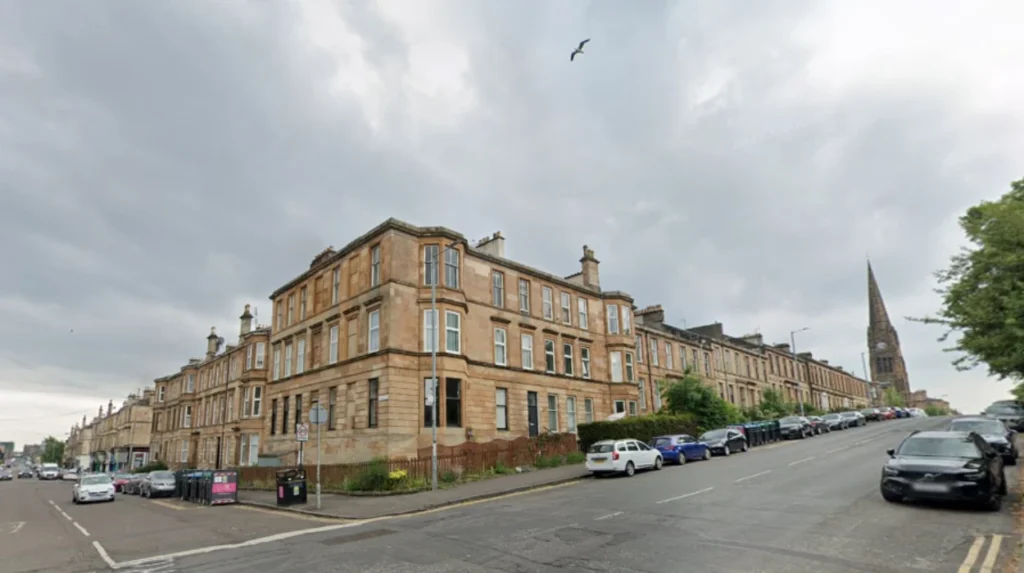
The West End sits to the west of the city centre and includes areas such as Hillhead, Kelvingrove, Hyndland, and Partick. It is known for its Victorian and newer townhouses, proximity to the University of Glasgow, and a reputation for bohemian cafes, bars, and boutiques. Government‑level neighbourhood data published by Glasgow City Council and Scottish indices classify both the West End and Southside as “urban” areas with mixed housing stock and relatively high accessibility to jobs and services.
For this article, the Southside is treated as the broader zone including Gorbals, Gorbals frontier communities, Shawlands, Langside, Mount Florida, and similar nearby postcodes, while the West End is taken as the cluster of Hillhead, Kelvingrove, Hyndland, Partick, and Byres Road‑centric districts.
Why are more Glaswegians moving to the Southside?
More Glaswegians are choosing the Southside because it offers lower housing costs, comparable proximity to the city centre, and a diverse, community‑focused environment, while still providing strong transport links and amenities. The West End remains attractive but has become increasingly expensive and gentrified, pushing many buyers and renters—especially families and mixed‑income households—towards the Southside as a more practical alternative.
Recent real‑estate market analyses for Glasgow show that the Southside has consistently outperformed or kept pace with the West End in terms of price growth while starting from a lower baseline, making it more accessible for first‑time buyers and those on moderate incomes. Young professionals, students, and families are all represented in this shift, with many prioritising space, affordability, and long‑term stability over the “bohemian” image associated with the West End.
What are the key differences in housing and affordability?
The Southside is, in general, more affordable than the West End, especially for larger flats and family‑sized properties, while still offering period‑style housing and access to transport. A 2025–2026 residential‑market analysis for Glasgow indicates that asking prices in core West End postcodes such as G12 and G11 have risen faster than the city average over the past five years, whereas several Southside postcodes such as G41 (Shawlands) and G51 (near Gorbals) have seen slower percentage increases but higher absolute value for money.
For example, typical three‑bedroom flats in the Southside (e.g., Shawlands, Mount Florida) often list several thousand pounds below similar‑sized properties in Hillhead or Hyndland, despite comparable finishes and condition. The Southside also retains a higher proportion of traditional sandstone tenements and larger houses in popular streets, which appeal to families and downsizers who want more space than the smaller flats common near Byres Road. This difference in price and stock composition is one of the main reasons more Glaswegians are now choosing the Southside over the West End.
How do transport links compare between the two areas?
Both the Southside and West End benefit from strong public‑transport connectivity, but the Southside offers a wider spread of bus routes and rail options that connect to the city centre, the West End, and suburban employment hubs. The West End is extremely well served by the Underground (Hillhead and Partick stations), frequent bus services along Great Western Road and Byres Road, and walking distance to the University of Glasgow.
The Southside, meanwhile, has multiple rail stations such as Shawlands, Langside, and Pollokshields, all within a short walk of residential streets, as well as a dense network of bus routes running along Victoria Road, Pollokshaws Road, and Cathcart Road. Many Southside residents can reach Glasgow Queen Street or Glasgow Central in under 20 minutes by train, which is comparable to West End travel times by bus or subway. This combination of good connectivity and lower housing costs makes the Southside an attractive option for commuters who do not need to live directly in the West End but still want to access the city centre and university precincts easily.
What kinds of jobs and income groups are moving where?
The housing‑market shift reflects a real‑world split in income and employment profiles: the West End increasingly concentrates higher‑income professionals, students, and investors, while the Southside attracts a broader mix of middle‑income workers, families, and value‑driven buyers. University‑linked employment, finance, and creative‑sector roles are more heavily represented in the West End, according to Glasgow‑level labour‑market data and local property‑market reports.
In contrast, the Southside has a higher proportion of public‑sector workers, healthcare staff, teachers, and tradespeople, as well as renters employed across multiple sectors who prioritise affordability over prestige. The Southside also includes neighbourhoods with more social‑housing tenures and regeneration projects, which further diversify the income profile of residents. This socioeconomic mix supports local businesses that cater to everyday needs—grocery shops, bakeries, hardware stores—rather than the boutique‑ and café‑focused retail culture more typical of the West End.
How do quality of life, amenities, and community feel differ?
The Southside and West End both offer high amenity scores, but the character of those amenities and the social environment differs in measurable ways. The West End is renowned for its high‑density cluster of bars, restaurants, and independent shops, with a focus on student and night‑life culture centred around Byres Road and the surrounding streets. The Southside provides a more dispersed pattern of local centres—such as Victoria Road, Pollokshields Road, and the streets around Shawlands Cross—featuring multicultural restaurants, small supermarkets, and community‑oriented venues.
Surveys and local‑media commentary on Glasgow’s neighbourhoods regularly describe the Southside as having a “strong community feel,” with resident‑led events, food festivals, and parks‑based activities that foster interaction across age and ethnic groups. The West End, by contrast, is often framed as more “cosmopolitan” and night‑life‑oriented, which appeals to some but can feel less “family‑friendly” or less rooted in long‑term community ties. For many Glaswegians, the Southside’s mix of cultural diversity, quieter streets, and lower‑intensity commercial activity makes it a more sustainable place to live long term.
What role do schools, parks, and local facilities play?
Schools, parks, and local facilities are significant factors in the Southside’s appeal, particularly for families and older residents. The Southside enclave around Shawlands and Pollokshields includes several well‑regarded primary and secondary schools, with catchment areas that attract families specifically for education reasons. The area also benefits from multiple large green spaces, including Queen’s Park, Pollok Country Park, and local playing fields, which are publicly accessible and heavily used for sports, walks, and community events.
The West End also has good access to parks such as Kelvingrove Park and the Botanic Gardens, as well as international schools and private‑education options, but the density of green space per residential unit is generally lower than in the outer Southside. In terms of local facilities, the Southside offers a higher concentration of community centres, sports clubs, and health‑centre‑linked services, which many residents value more than the West End’s emphasis on cafes and bars. This difference in infrastructure reinforces the Southside’s image as a practical, family‑oriented alternative to the West End.
How have gentrification and policy affected both areas?
Gentrification and urban‑regeneration policies have shaped both the West End and Southside, but in different ways and at different stages. The West End has experienced intense gentrification since the 1990s, with the University of Glasgow expansion, cafe and bar proliferation, and the conversion of many traditional flats into student‑let and short‑term‑rental units. This has pushed up house prices and rents and reduced the proportion of long‑term resident families in the area.
The Southside has seen gentrification in pockets—such as parts of Shawlands and Pollokshields—where investors have upgraded older tenements and opened independent businesses, but the overall pace and intensity are lower than in the West End. Glasgow City Council regeneration programmes in areas like the Gorbals and the Clyde Gateway corridor have also invested in housing upgrades, new schools, and transport links, which add to the Southside’s long‑term appeal without fully replicating the West End’s premium pricing. As a result, many Glaswegians see the Southside as a “next‑stage” gentrifying area that promises growth without the extreme price levels of the West End.
Are there any statistical or survey‑based trends backing this shift?
Housing‑market and demographic data indicate that the Southside has become an increasingly popular destination for certain buyer and renter segments, even as the West End remains strong. A 2025–2026 real‑estate analysis for Glasgow notes that the Southside has consistently outperformed or matched the city average in demand for buy‑to‑let and family‑oriented properties, with steady price growth in popular postcodes such as G41, G42, and G51.
At the same time, reported rental‑demand indices show that the West End continues to attract high volumes of students and short‑term lets tied to the university, which keeps competition and rents high. The Southside, by contrast, registers strong demand from long‑term tenants, families, and mixed‑income households, with landlords often citing stable occupancy and lower turnover than in the student‑heavy parts of the city. These patterns, combined with visible street‑level changes—new local businesses, upgraded housing, and community projects—support the view that more Glaswegians are consciously choosing the Southside over the West End.
How might this trend affect Glasgow in the long term?
If the current trend continues, the Southside could evolve into one of Glasgow’s primary residential hubs, balancing the existing dominance of the West End and the city centre. Over the next decade, sustained demand for Southside housing, combined with ongoing regeneration and transport improvements, may drive further price convergence with the West End, though from a lower baseline that still offers relative value.
For city planners, this shift underscores the importance of investing in local infrastructure, schools, and green spaces in the Southside to prevent over‑crowding and ensure that new investment benefits existing residents. For residents, the trend suggests that the Southside is likely to remain a competitive, attractive option for those seeking a mix of affordability, community life, and access to the city’s core amenities, while the West End may continue to function more as a high‑value, student‑leaning enclave. This evolving geography matters for how Glaswegians live, commute, and interact across different parts of the city.