Key Points
- A Glasgow night shift worker experienced a one-hour wait for an early morning bus home from the city centre.
- Glasgow City Councillor Anthony Carroll has called for improved early morning bus services to support night shift commuters.
- Councillor Carroll welcomed recent improvements in evening bus services and extended subway hours but emphasised the need to address early morning gaps.
- There are broader calls for transport hours to be extended across the city to better serve shift workers and late-night travellers.
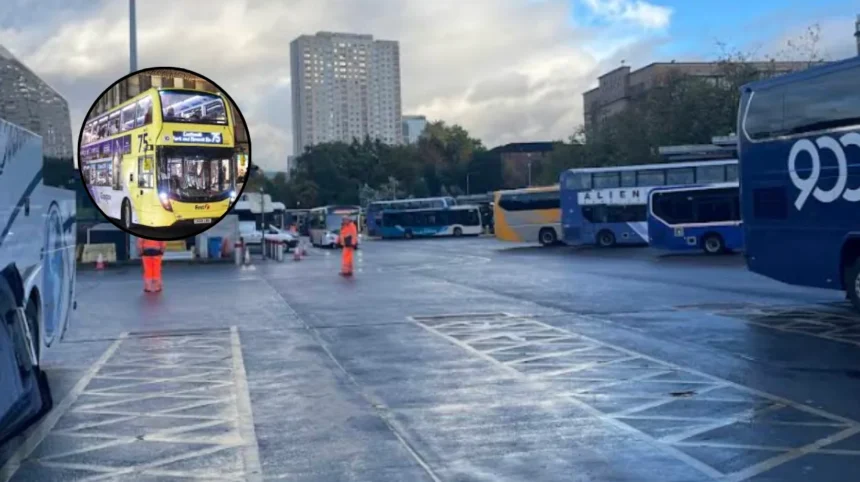
Glasgow (Glasgow Express) April 25, 2026 – A night shift worker in Glasgow was forced to wait an hour for an early morning bus home, prompting renewed calls from a local councillor for extended public transport hours in the city centre. Councillor Anthony Carroll, representing the Scottish Greens for areas including Royston, Sighthill, Drygate, Haghill, Germiston, and Dennistoun, highlighted the issue based on personal experiences of lengthy waits after night shifts.
- Key Points
- Why Are Early Morning Bus Services Causing Delays for Glasgow Commuters?
- What Improvements Have Been Made to Evening and Subway Services in Glasgow?
- How Do Night Shift Workers in Glasgow Describe Their Transport Struggles?
- Which Areas of Glasgow Are Most Impacted by Limited Early Morning Buses?
- What Has Glasgow City Council Said About Public Transport Extensions?
- Background of the Development
- Prediction: Impact on Night Shift Workers and Commuters
Why Are Early Morning Bus Services Causing Delays for Glasgow Commuters?
As reported by journalists at Glasgow Live, the incident underscores ongoing challenges for night shift workers relying on public transport in Glasgow’s city centre. The worker, whose specific identity was not disclosed in the coverage, faced a full hour’s delay for a bus home in the early morning hours, a situation Councillor Carroll described as unacceptable for those working unsocial hours.
“There are calls for transport hours to be extended in the city,”
the Glasgow Live article stated directly, reflecting community sentiment around the need for better alignment of bus schedules with shift patterns.
Councillor Anthony Carroll welcomed better evening bus services and extended subway hours but said early mornings must also be considered, according to the same Glasgow Live report.
In detailing his concerns, Carroll noted that while progress has been made on late-night options, the pre-dawn period remains underserved, leaving workers like the night shift employee stranded. This call comes amid broader discussions on public transport reliability in Glasgow, where congestion and scheduling gaps frequently impact commuters.
What Improvements Have Been Made to Evening and Subway Services in Glasgow?
Recent enhancements to evening bus services and subway hours have been acknowledged by Councillor Carroll, providing some relief for those finishing work later in the day.
The Glasgow Live coverage specifies that these improvements, including longer subway operating times, have been positively received, but they do not fully address the early morning void.
Carroll’s statement, as quoted in the article, emphasises a balanced approach: building on evening gains while prioritising dawn services.
Glasgow City Council links highlight ongoing efforts to improve transport links, with Councillor Carroll actively involved in advocating for shift workers.
The councillor’s profile on platforms like Instagram confirms his role as a Bailie and his focus on local issues, including public transport in his ward.
These developments follow patterns seen in prior campaigns, such as calls to maintain night buses, though the current story centres on early mornings rather than late nights.
How Do Night Shift Workers in Glasgow Describe Their Transport Struggles?
The night shift worker’s experience of waiting an hour for a bus home illustrates the practical hardships faced by many in Glasgow’s 24-hour economy.
Reporting from Glasgow Live captured the essence of the complaint without additional embellishment: a straightforward account of the delay in the city centre after a night shift.
Councillor Anthony Carroll, drawing from similar encounters, told of one-hour waits for transport, reinforcing the story’s core narrative.
This issue affects a range of workers in sectors like healthcare, security, hospitality, and manufacturing, who depend on reliable early buses to reach home safely and promptly.
The Glasgow Live piece attributes the call for action directly to Carroll, noting his push for city-wide extensions to prevent such disruptions.
No further personal details from the worker were provided, keeping the focus on the systemic challenge.
Which Areas of Glasgow Are Most Impacted by Limited Early Morning Buses?
The city centre emerges as a primary hotspot for these delays, serving as a hub for night shift employment and onward travel.
Glasgow Live reporting pinpoints commutes home from this area, where buses may not align with shift end times, leading to extended waits.
Councillor Carroll’s advocacy extends to his ward in the north and east of the city, areas potentially cut off by infrequent services.
Broader context from council discussions indicates that routes from the city centre to surrounding regions, including Clydebank, Paisley, and East Kilbride, face scheduling pressures.
While not directly tied to this incident, historical patterns of low uptake on early or night services inform the current debate, as noted in past coverage.
Carroll’s insistence on early morning consideration aims to bridge these gaps without altering established daytime routes.
What Has Glasgow City Council Said About Public Transport Extensions?
Glasgow City Council, through figures like Councillor Anthony Carroll, has positioned improved early morning services as a priority.
The councillor welcomed evening and subway extensions but stressed the imbalance, as per Glasgow Live. His comments reflect a measured stance: appreciation for progress alongside a firm call for equity in scheduling.
Council profiles and related links confirm Carroll’s engagement on transport matters, aligning with his role in representing shift-heavy communities.
The story avoids speculation on council commitments, sticking to the reported advocacy. This positions the council as responsive yet in need of further action on pre-dawn hours.
Background of the Development
Public transport in Glasgow has seen incremental changes over recent years, driven by councillor advocacy and operator reviews. Evening bus enhancements and subway extensions stem from post-pandemic adjustments to nightlife and work patterns, with First Bus previously monitoring low passenger numbers on some night routes.
Councillor Anthony Carroll has consistently raised transport equity, from opposing night bus cuts in 2023 to current early morning pleas, reflecting persistent community needs in a city with high shift work reliance. Congestion studies, such as those on Pollokshaws Road and Great Western Road, highlight reliability issues exacerbating delays, though the focus here remains on hours rather than traffic.
Prediction: Impact on Night Shift Workers and Commuters
Extended early morning bus hours could reduce wait times for night shift workers in Glasgow, enabling safer and quicker journeys home from the city centre. This would particularly benefit employees in essential services, minimising fatigue and improving work-life balance without added costs.
For the particular audience of shift workers and early commuters, reliable services might boost attendance and retention in night roles, while easing pressure on personal vehicles amid congestion hotspots. Operators could see stabilised ridership if routes mirror familiar daytime paths, though uptake depends on promotion and integration with subway changes. Overall, such extensions would address a key gap in the city’s 24-hour infrastructure, supporting economic activity without overhauling existing systems.