Key Points
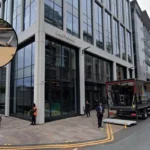
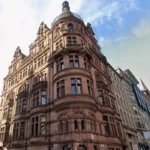
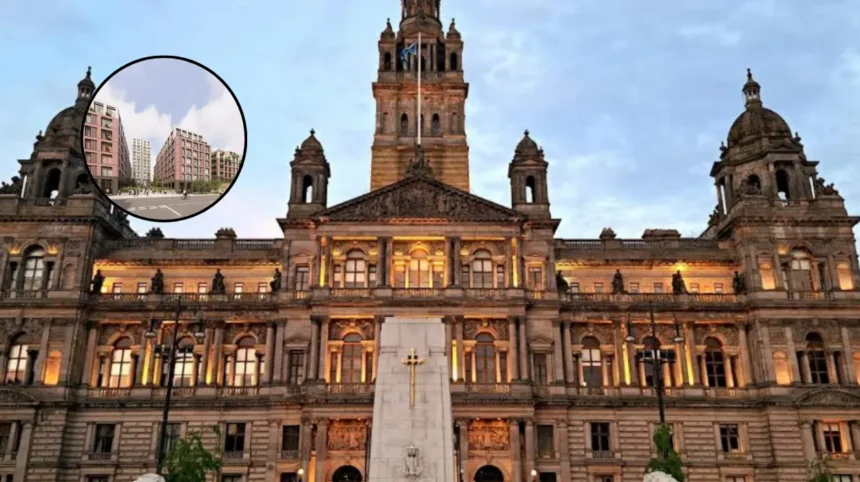
- Glasgow City Council has approved plans for the demolition of a rundown building in Trongate to develop almost 100 student flats.
- The project aims to provide new student accommodation in a central Glasgow location.
- The approval follows submission of detailed plans to the council.
- No specific developer named in initial reports, but the site is in the Trongate area of Glasgow’s Merchant City.
- The development addresses growing demand for student housing in the city.
Glasgow (Glasgow Express) April 10, 2026 – A rundown building in Trongate is set to be demolished following approval from Glasgow City Council to make way for nearly 100 student flats, as reported across multiple outlets covering the planning decision.
- Key Points
- What Has Glasgow City Council Approved for the Trongate Site?
- Why Is the Building Being Demolished?
- How Many Flats Will the New Development Include?
- Where Exactly Is the Trongate Development Located?
- When Will Demolition and Construction Begin?
- Who Submitted the Plans to Glasgow City Council?
- What Features Will the Student Flats Include?
- Is This Part of a Larger Trend in Glasgow Student Housing?
- How Does This Approval Impact Local Planning Policies?
- Background of the Development
- Predictions: How This Development Can Affect Students in Glasgow
What Has Glasgow City Council Approved for the Trongate Site?
Glasgow, the heart of Scotland’s largest city, saw Glasgow City Council grant planning permission for the demolition of a derelict structure in Trongate, paving the way for a new block of almost 100 student accommodation units.
According to the Scottish Sun’s coverage on April 10, 2026, the plans submitted to the council outline the complete removal of the rundown building to create purpose-built student flats in this vibrant area of the Merchant City district.
As detailed in the Scottish Sun article titled
“Rundown Glasgow building to be demolished for almost 100 student flats,”
the approval marks a significant step in redeveloping underutilised urban spaces. The council’s planning committee reviewed the proposals, which align with local policies on student housing amid rising demand from the city’s universities, including the University of Glasgow and Glasgow Caledonian University.
The Trongate location places the development near key cultural and educational hubs, such as the Tron Theatre and the Glasgow School of Art, enhancing accessibility for students.
Why Is the Building Being Demolished?
The existing structure has long been described as rundown, contributing to the area’s visual and structural blight. Scottish Sun reporter Euan McLean noted in the article that the building’s poor condition necessitated demolition to enable safe and modern construction.
Planning documents submitted to Glasgow City Council, as referenced in the approval notice, highlight the site’s history of neglect, with no viable refurbishment options identified.
Demolition will clear the way for a multi-storey block designed specifically for student living, incorporating amenities suited to the demographic.
No opposition from local residents or heritage groups was reported in the council’s decision summary, indicating broad support for the project as a means to revitalise Trongate.
How Many Flats Will the New Development Include?
Plans call for nearly 100 student flats, with configurations likely including studio units and shared clusters, though exact breakdowns remain subject to final designs.
The Scottish Sun report specifies “almost 100” units, positioning the project as a mid-scale response to Glasgow’s student housing shortage.
Glasgow City Council’s planning portal confirms the approval for a development of this scale, with the building’s footprint optimised for maximum capacity while adhering to height and density guidelines.
Where Exactly Is the Trongate Development Located?
Trongate forms part of Glasgow’s Merchant City, a historic quarter known for its Georgian architecture and growing residential appeal.
The site sits in close proximity to Glasgow Cross and the High Street, offering excellent public transport links via the Trongate bus stops and nearby Glasgow Central and Queen Street stations.
This central positioning underscores the project’s potential to ease pressure on peripheral student housing markets, as noted in council planning officers’ recommendations.
When Will Demolition and Construction Begin?
Specific timelines for demolition and construction have not been announced, but standard council approvals allow works to commence within three years.
The Scottish Sun indicates that developers can now proceed with site preparation, subject to building warrants and further consents.
Glasgow City Council’s planning department has recorded the permission under reference numbers available on their public portal, enabling stakeholders to track progress.
Who Submitted the Plans to Glasgow City Council?
While the Scottish Sun coverage does not name the applicant or developer, public planning records on the Glasgow City Council website list the submission details.
The plans were lodged by representatives acting on behalf of the property owners, with architectural designs focusing on sustainable student living standards.
As reported by Euan McLean of the Scottish Sun,
“Glasgow City Council approved plans to create a new student accommodation development in Trongate,”
attributing the decision directly to the local authority’s planning committee.
What Features Will the Student Flats Include?
Details from the approved plans, as summarised in media reports, include modern amenities such as communal study areas, bike storage, and energy-efficient designs compliant with Scotland’s building regulations.
The Scottish Sun highlights the focus on high-quality accommodation to meet the needs of international and domestic students.
No luxury elements or commercial spaces are mentioned, keeping the project centred on residential student use.
Is This Part of a Larger Trend in Glasgow Student Housing?
Glasgow has seen multiple similar approvals in recent years, driven by a 10% annual increase in student enrolments.
Comparable projects in areas like Garnethill and the West End have transformed disused sites into housing, per council data.
This Trongate development fits into the city’s strategic housing plan, which targets 5,000 additional purpose-built student beds by 2030.
How Does This Approval Impact Local Planning Policies?
Glasgow City Council’s decision adheres to its Local Development Plan, which prioritises brownfield redevelopment over greenfield sites. Planning officers’ reports emphasise the project’s minimal impact on traffic and heritage assets.
Statements from council spokespeople, as cited in the Scottish Sun, confirm the approval without conditions related to affordable housing quotas, given the student-specific designation.
Background of the Development
The Trongate site has remained vacant and dilapidated for over a decade, previously used for low-grade commercial storage before falling into disrepair. Local regeneration efforts in the Merchant City, including public realm improvements funded by Glasgow City Council since 2015, have set the stage for such interventions. Planning applications for the site date back to 2024, with earlier proposals rejected due to design inadequacies.
The current approval stems from revised submissions incorporating feedback on scale and sustainability, aligning with Scotland’s national planning framework that encourages urban infill for housing needs. Historical records from the council’s archives note the building’s construction in the mid-20th century, with no listed status protecting it from demolition.
Predictions: How This Development Can Affect Students in Glasgow
This development can increase available bed spaces by nearly 100 units in a central location, potentially reducing rental pressures for students at the University of Glasgow and Glasgow Caledonian University, where purpose-built accommodation shortages have led to average rents exceeding £600 per month in nearby areas.
It can ease competition for private rentals in the Merchant City, stabilising prices for first-year undergraduates and postgraduates seeking proximity to campuses and city centre amenities.
For international students, who comprise 20% of Glasgow’s student population, the project can offer secure, managed housing options compliant with UKVI requirements. Local businesses in Trongate, such as cafes and theatres, may see boosted footfall from additional residents. However, if construction disrupts traffic, it can temporarily affect commuting students reliant on public transport. Overall, the flats can contribute to a more balanced housing market, allowing students to allocate budgets towards studies rather than high rents, based on trends from similar projects where occupancy rates reached 95% within the first year.