Key Points
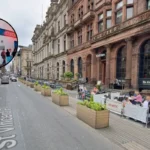
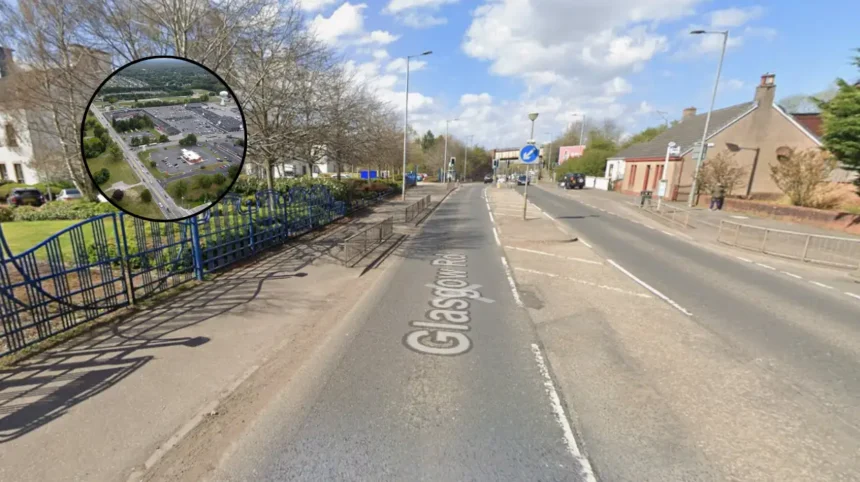
- State transportation officials are studying two alternatives for redesigning Glasgow Avenue, including a “Main Street” concept near Peoples Plaza.
- The project aims to enhance safety for pedestrians, cyclists, and motorists while reducing accidents and improving neighbourhood connectivity.
- Paul Leary of Century Engineering, the Delaware Department of Transportation’s design consultant, stated the redesign will benefit all traffic modes and foster growth in Delaware.
- A community workshop last week at Keene Elementary School drew a steady crowd, where attendees viewed the two designs and completed preference surveys.
Glasgow (Glasgow Express) April 3, 2026 – State transportation officials have unveiled plans to redesign Glasgow Avenue, featuring a “Main Street” concept for the stretch near Peoples Plaza as one of two alternatives under consideration. This initiative seeks to improve safety and connectivity for pedestrians, cyclists, and motorists alike. Century Engineering, the Delaware Department of Transportation’s (DelDOT) design consultant, is leading the study.
- Key Points
- What is the Proposed “Main Street” Concept?
- What are the Two Design Alternatives Being Studied?
- Where and When Was the Community Workshop Held?
- Who is Involved in the Glasgow Avenue Redesign Project?
- Why is This Redesign Necessary for Glasgow Avenue?
- How Will Public Feedback Shape the Final Design?
- What Broader Impacts Could the Project Have on Delaware?
- What are the Next Steps in the Study Process?
- How Does This Fit into Delaware’s Transportation Vision?
What is the Proposed “Main Street” Concept?
The “Main Street” alternative envisions transforming a portion of Glasgow Avenue into a more pedestrian-friendly zone, reminiscent of traditional town centres with enhanced landscaping, slower traffic speeds, and integrated public spaces. Paul Leary, a representative of Century Engineering, explained during the project overview: “Overall, this project is going to help all modes of traffic – pedestrian, cyclists and motorists.” He further emphasised its broader impact, stating,
“It will reduce the number of accidents that we have and help connect our neighbourhoods and continue to grow Delaware.”
This design draws inspiration from successful urban revitalisation efforts elsewhere, prioritising human-scale streetscapes over high-speed vehicular flow.
While specific details on features like widened pavements, bike lanes, or additional crossings remain under refinement, the concept aligns with DelDOT’s multimodal transportation goals. Local stakeholders have expressed initial interest, viewing it as a potential catalyst for economic vitality near Peoples Plaza, a key retail hub.
What are the Two Design Alternatives Being Studied?
Alongside the “Main Street” option, officials are evaluating a second, more conventional redesign that likely focuses on traffic flow improvements such as lane adjustments or signal enhancements, though exact specifications were not detailed in initial announcements.
The dual-alternative approach allows for comprehensive analysis, balancing community needs with engineering feasibility. Attendees at recent engagements were presented with visuals and data for both, enabling informed feedback.
As reported in coverage of similar DelDOT projects, such studies often incorporate traffic modelling, environmental impact assessments, and cost-benefit analyses before final selection.
No timeline for choosing between the two has been confirmed, but public input is pivotal. This methodical process ensures the chosen design addresses longstanding concerns about accident rates and accessibility on Glasgow Avenue.
Where and When Was the Community Workshop Held?
Last week, a well-attended community workshop took place at Keene Elementary School, serving as the primary platform for public engagement.
The event drew a steady crowd of residents, business owners, and commuters eager to learn about the proposals. Participants were shown detailed renderings of the two designs and invited to complete surveys indicating their preferences.
The workshop format – combining presentations, Q&A sessions, and interactive polling – is standard for DelDOT initiatives, fostering transparency and buy-in.
Feedback collected will directly influence refinements, with organisers noting robust participation despite the evening timing. Keene Elementary’s central location near the project corridor made it an ideal venue, accommodating families and workers alike.
Who is Involved in the Glasgow Avenue Redesign Project?
Century Engineering serves as DelDOT’s primary design consultant, bringing expertise in transportation planning and community-focused infrastructure. Paul Leary has emerged as a key spokesperson, articulating the project’s multifaceted benefits. DelDOT officials oversee the broader study, ensuring compliance with state standards and funding requirements.
Local input is coordinated through workshops and online portals, with Peoples Plaza representatives likely advocating for designs that sustain retail footfall.
No specific community groups or elected officials were named in initial reports, but expectations are high for collaboration with Glasgow city councillors. This partnership model has proven effective in prior Avenue corridors, minimising disruptions during implementation.
Why is This Redesign Necessary for Glasgow Avenue?
Glasgow Avenue has faced persistent challenges, including elevated accident rates and fragmented connectivity between neighbourhoods. Leary highlighted these issues directly: “It will reduce the number of accidents that we have and help connect our neighbourhoods.” The corridor’s proximity to Peoples Plaza amplifies the need for safer, more inviting spaces that support walking and cycling amid growing suburban development.
Delaware’s ongoing population growth demands infrastructure evolution, with multimodal safety now a priority under state policy. Similar projects statewide have yielded measurable improvements – fewer crashes, increased pedestrian activity, and bolstered local economies.
By addressing these pain points, the redesign positions Glasgow Avenue as a model for sustainable transport.
How Will Public Feedback Shape the Final Design?
Surveys from the Keene Elementary workshop form the backbone of community input, with results set to guide DelDOT and Century Engineering in iterating the alternatives. Residents were asked to weigh pros and cons, such as the “Main Street” appeal versus potential traffic delays.
This democratic process mitigates risks of opposition, as seen in past projects where unaddressed concerns led to delays.
Follow-up engagements, including virtual town halls or pop-up events near Peoples Plaza, are anticipated. DelDOT’s commitment to inclusivity ensures voices from diverse demographics – families, seniors, commuters – inform outcomes. Ultimately, the selected design must balance safety gains with minimal disruption to daily life.
What Broader Impacts Could the Project Have on Delaware?
Beyond immediate safety enhancements, the redesign promises economic ripple effects for Peoples Plaza and surrounding areas. Leary underscored growth potential: “continue to grow Delaware.” A vibrant “Main Street” could attract new businesses, boost property values, and integrate with regional trails or transit links.
Environmentally, greener features like tree canopies or permeable surfaces align with Delaware’s climate resilience goals. Socially, improved connectivity knits neighbourhoods, promoting active lifestyles and reducing car dependency.
Comparable initiatives in nearby states, such as Maryland’s Main Street programmes, report up to 20% drops in incidents post-implementation.
What are the Next Steps in the Study Process?
Following the workshop, Century Engineering will analyse survey data and conduct technical assessments. Public comments close soon, after which draft reports will be published for review. DelDOT anticipates environmental reviews and funding pursuits next, targeting construction in 2027 or later.
Residents can stay updated via DelDOT’s project page or local notices. Any design tweaks will loop back to the public, ensuring adaptability.
With strong early turnout, momentum builds for a transformative upgrade to Glasgow Avenue.
How Does This Fit into Delaware’s Transportation Vision?
This project exemplifies DelDOT’s shift toward complete streets, prioritising equity across users. It complements statewide efforts like bike networks and transit expansions, fostering a connected Delaware. Paul Leary’s vision encapsulates this: aiding “all modes of traffic.”
Critics may question costs or timelines, but precedents affirm long-term value. As Delaware grows, such proactive investments safeguard communities.