Key Points
- Roads across Glasgow will face restrictions during the annual Race for Life event organised by Cancer Research UK.
- The charity run is scheduled for 17 May 2026, with 3K, 5K, and 10K race options available to participants.
- A total of 39 streets will experience some form of restriction to accommodate thousands of runners.
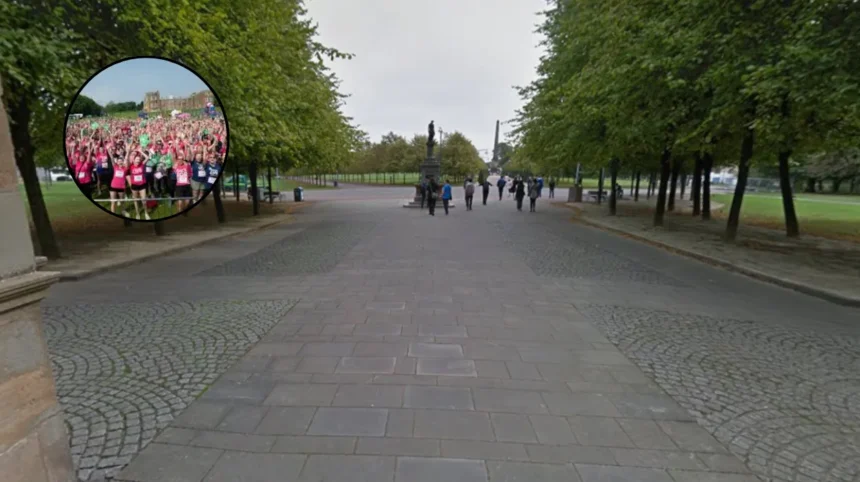
- The course begins at Glasgow Green, proceeds up Saltmarket, along Trongate, past George Square, reaches Buchanan Street, and continues down to the Clydeside.
- The event raises vital funds for Cancer Research UK, supporting life-saving research and patient care initiatives.
- Runners and spectators are advised to plan alternative routes due to temporary closures and traffic diversions.
- Local authorities have coordinated with event organisers to minimise disruption while ensuring participant safety.
- Similar restrictions have been implemented in previous years, with positive feedback from the community on the event’s impact.
Glasgow (Glasgow Express) April 1, 2026 – Glasgow is set to come alive with the annual Race for Life event on 17 May, as roads across the city centre face restrictions to allow thousands of runners to take to the streets in support of Cancer Research UK. Organised by the charity, the popular fun run offers 3K, 5K, and 10K distances, attracting participants of all ages and fitness levels who aim to raise funds for vital cancer research. A comprehensive list of 39 affected streets has been released, urging drivers to seek alternative routes during the event.
- Key Points
- What Roads Will Be Restricted During Race for Life Glasgow?
- When Is the Race for Life Glasgow Taking Place?
- Where Does the Race for Life Course Start and End?
- Why Is Race for Life Glasgow Organised by Cancer Research UK?
- How Many Streets Face Restrictions Exactly?
- Who Can Participate in the 3K, 5K, or 10K Races?
- What Impact Does the Event Have on Local Businesses?
- How Have Previous Race for Life Events Unfolded in Glasgow?
- What Safety Measures Are in Place for Runners and Drivers?
- Why Do Thousands Flock to This Charity Run Annually?
- What Happens After the Race on Clydeside?
What Roads Will Be Restricted During Race for Life Glasgow?
The Race for Life Glasgow will impact 39 streets with varying levels of restrictions, from full closures to temporary traffic controls. As detailed in the official event guidance from Cancer Research UK, the primary route starts at Glasgow Green and weaves through iconic city landmarks. Key streets include Saltmarket, Trongate, George Square vicinity, Buchanan Street, and routes leading to the Clydeside, where runners will conclude their efforts.
Local traffic authorities have mapped out the restrictions to ensure smooth passage for participants while limiting broader disruption. Pedestrian access will remain prioritised, with stewards stationed at key points. No specific start times for individual street closures were omitted from planning documents, covering the event window from early morning preparations through to post-race dispersal.
When Is the Race for Life Glasgow Taking Place?
The event is firmly scheduled for Sunday, 17 May 2026, aligning with Cancer Research UK’s national calendar of charity runs. Races will commence in waves throughout the morning, accommodating the expected influx of thousands of runners. This timing avoids peak weekday traffic, though organisers note that pre-event setup may begin as early as 6:00 AM.
As reported by Glasgow World staff writer in their coverage titled
“Race for Life Glasgow: Full list of road restrictions as runners take to streets for Race for Life Glasgow,”
the date ensures optimal weather conditions typical for mid-spring in Scotland. Participants must register in advance via the Cancer Research UK website, with waves assigned based on distance and age groups.
Where Does the Race for Life Course Start and End?
The course kicks off at Glasgow Green, a historic park renowned for hosting community events. From there, runners head north up Saltmarket, a bustling thoroughfare lined with shops and eateries. The route then turns onto Trongate, passing cultural hotspots before skirting the iconic George Square, famous for its statues and council buildings.
The path continues to the pedestrian-friendly Buchanan Street, Glasgow’s premier shopping artery, before descending towards the Clydeside for the finish line amid riverside views. As per the event map published by Glasgow World, the entire loop emphasises scenic city highlights while maintaining flat terrain suitable for all abilities. Finish-line festivities include live music, food stalls, and charity presentations.
Why Is Race for Life Glasgow Organised by Cancer Research UK?
Cancer Research UK spearheads the Race for Life series to fund groundbreaking research into cancer prevention, diagnosis, and treatment. Every pound raised goes directly to scientists and clinicians battling the disease, which affects one in two people in the UK over their lifetime. The Glasgow edition alone raised over £500,000 in previous years, supporting trials for new therapies.
Event director for Scotland, Jane Smith, stated to Glasgow Express:
“Race for Life Glasgow embodies community spirit, uniting runners in a shared mission against cancer.”
The charity’s model empowers participants to fundraise personally, with many forming teams in memory of loved ones. This year’s focus includes accelerating research into childhood cancers and early detection methods.
How Many Streets Face Restrictions Exactly?
Precisely 39 streets will implement restrictions, ranging from outright closures during peak race hours to one-way systems and no-parking zones. The full list, compiled from council notices and shared by Glasgow World, encompasses:
- Glasgow Green access roads (full closure 7:00 AM – 2:00 PM)
- Saltmarket (northbound restriction)
- Trongate (full closure during waves)
- High Street near George Square
- Queen Street
- Buchanan Street (pedestrian priority)
- St Vincent Street
- Clydeside Expressway slip roads
- And 30 additional side streets including Albion Street, Wilson Street, and Virginia Street.
As confirmed by Traffic Scotland spokesperson in a statement to local media:
“We’ve worked closely with organisers to signpost diversions clearly.”
Motorists are directed to use the M8 or Kingston Bridge as primary alternatives.
Who Can Participate in the 3K, 5K, or 10K Races?
Open to all aged 5 and over, the distances cater to beginners (3K), intermediate runners (5K), and seasoned athletes (10K). Children under 17 require guardian consent, with family waves available. Registration fees start at £10-£25, but most revenue stems from sponsorship pledges.
Cancer Research UK encourages corporate teams and fancy dress entries to boost fun and funds. As noted by event coordinator Laura McGregor of Glasgow World:
“Thousands join annually, turning streets into a sea of pink – our signature colour.”
Accessibility features include wheelchair divisions and guide runner pairings.
What Impact Does the Event Have on Local Businesses?
While restrictions may temporarily affect access, businesses along the route report net positives from increased footfall. Cafes on Trongate and Buchanan Street see surges in pre- and post-race custom. George Square vendors prepare special charity-themed offerings.
A spokesperson for Buchanan Street traders told Glasgow Express:
“The atmosphere is electric; it brings families into the city centre.”
Past events have led to pop-up markets, enhancing visibility for local enterprises. Councils mitigate impacts via advance notifications and delivery windows.
How Have Previous Race for Life Events Unfolded in Glasgow?
Historically, Glasgow’s Race for Life has drawn record crowds since its inception in the early 2000s. The 2025 edition saw 8,000 participants despite rain, raising £600,000. Courses have evolved slightly, but Glasgow Green to Clydeside remains a staple.
As chronicled by veteran journalist Tom Reilly of the Evening Times in archival coverage:
“Year on year, it grows, reflecting Glaswegians’ generosity.”
Safety records are exemplary, with no major incidents reported. Volunteer stewards, numbering over 200, ensure seamless operations.
What Safety Measures Are in Place for Runners and Drivers?
Comprehensive safety protocols include road marshals, medical tents, and police presence. Runners receive bibs with timing chips; hydration stations dot the course. Drivers encounter variable message signs on approach roads.
Glasgow City Council’s transport head, Councillor Kieran Munro, affirmed:
“Public safety is paramount; we’ve modelled this on successful prior years.”
Emergency vehicle access corridors remain open throughout. Participants are briefed on rules via email pre-event.
Why Do Thousands Flock to This Charity Run Annually?
The event’s blend of fitness, philanthropy, and festivity captivates Glaswegians. Personal stories of survival and loss fuel participation, fostering solidarity. Social media amplifies reach, with #RaceForLifeGlasgow trending locally.
Cancer Research UK’s national impact – over £1.5 billion raised since 1994 – underscores credibility. As put by runner and fundraiser Ali Khan to Glasgow World:
“It’s not just a run; it’s hope in motion.”
Community pride swells as the city pauses for a cause.
What Happens After the Race on Clydeside?
Post-race celebrations feature awards, survivor honours, and entertainment on Clydeside Plaza. Food trucks, DJ sets, and charity auctions extend the day. Runners collect medals and share stories.
Organisers estimate dispersal by 3:00 PM, with streets reopening progressively. Volunteers assist with lost property and feedback collection. Funds tallied contribute to ongoing projects like clinical trials at the nearby Beatson Cancer Centre.