Key Points
- Tenants at Glasgow’s Trongate 103 cultural hub face “unsustainable” rent increases of up to £700,000 annually, described as four times previous rent and 10 times service charges.
- City Property, managing buildings for Glasgow City Council, accused of “coercive and unfair” practices, including eviction notices issued last week unless new leases signed.
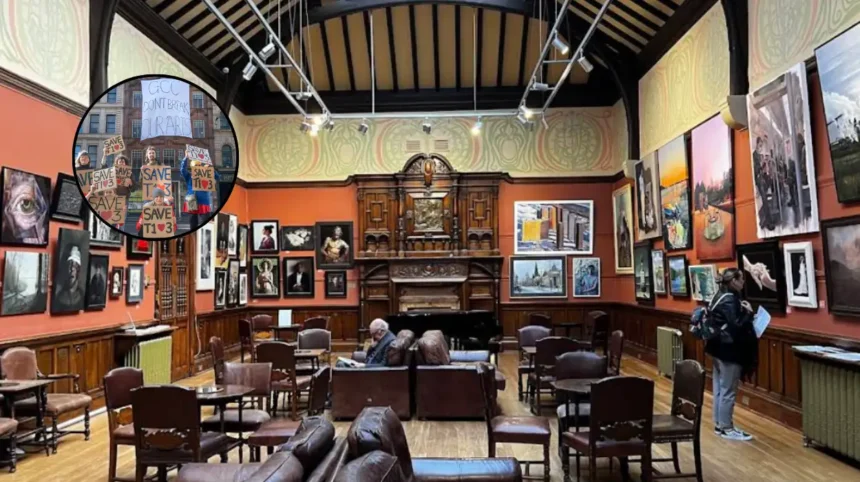
- Hundreds protested outside City Property offices last Friday amid concerns over the arm’s-length organisation’s accountability.
- At First Minister’s Questions in Holyrood last Wednesday, Scottish Labour MSP Paul Sweeney urged First Minister John Swinney to intervene, stating “City Property is out of control”.
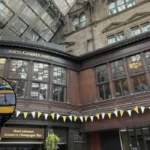
- Trongate 103, renovated in 2009 with £8m public funds, hosts organisations like Transmission Gallery, Street Level Photography, and Glasgow Print Studio.
- City Property denies evictions, calling notices standard for lease renewals and new rents cheaper than commercial rates; ongoing discussions aim for sustainable terms.
- Glasgow Media Access Centre chair Mark Langdon, now relocated, described four weeks’ notice as “coercive and unfair”.
- Glasgow Print Studio signed interim monthly lease “under duress” without accepting increases.
- Turning Point Scotland disputes £805,000 “dilapidation” charges after spending £1m on repairs; consultant Chris Wallace calls City Property a “rogue agency”.
- Anonymous charity fears roll-out to vulnerable groups; criticises property maintenance.
- City Property rejects “baseless claims”, cites accountability to council board and compliance with concessionary rent policy.
- Scottish Greens’ motion next week seeks intervention for Trongate tenants and oversight of arm’s-length bodies; councillor Christy Mearns says hub not purely commercial.
- Paul Sweeney demands public interest oversight, linking to Union Street fire concerns.
- Glasgow City Council says lease talks ongoing reasonably.
Glasgow (Glasgow Express) March 30, 2026 – Tenants at one of Glasgow’s premier cultural hubs, Trongate 103, have launched a fierce backlash against what they term “unsustainable” rent hikes imposed by landlord City Property, the arm’s-length body managing properties for Glasgow City Council. Critics label the agency a “rogue” operator accused of coercive tactics, including eviction notices, amid protests and political calls for intervention.
- Key Points
- What Sparked the Protests at City Property Offices?
- Why Did Paul Sweeney Confront John Swinney in Holyrood?
- How Does City Property Defend Its Lease Renewal Process?
- What Do Trongate 103 Tenants Say About the Rent Crisis?
- What Disputes Involve Turning Point Scotland and Other Charities?
- What Political Actions Are Underway to Rein in City Property?
- Why Is Trongate 103 Vital to Glasgow’s Cultural Landscape?
- What Broader Implications Face Glasgow’s Arm’s-Length Landlords?
What Sparked the Protests at City Property Offices?
Hundreds of protesters gathered outside City Property’s offices last Friday, highlighting mounting anger over the agency’s handling of lease renewals at Trongate 103. Tenants faced a deadline last week to sign new leases or receive notices to quit, fuelling claims of unfair pressure on grassroots arts groups.
The demonstration underscores broader worries about City Property’s accountability, as it oversees hundreds of council-owned buildings.
As reported in The Guardian, this unrest reflects fears that vulnerable cultural organisations could be priced out of Glasgow’s creative scene.
Why Did Paul Sweeney Confront John Swinney in Holyrood?
At First Minister’s Questions in Holyrood last Wednesday, Scotland’s First Minister John Swinney faced sharp criticism when Scottish Labour MSP for Glasgow Paul Sweeney declared,
“City Property is out of control”.
Sweeney urged urgent intervention to stop the agency from “forcing out” seven tenants at Trongate 103 with extra costs of £700,000 a year—four times the previous rent and 10 times the service charges.
Sweeney’s intervention, covered extensively by The Guardian, spotlighted the threat to a key cultural asset renovated in 2009 with £8 million of public investment.
The building nurtures grassroots arts through tenants like Transmission Gallery, Street Level Photography, and Glasgow Print Studio.
How Does City Property Defend Its Lease Renewal Process?
City Property has strongly refuted eviction allegations, insisting notices to quit form a standard part of lease renewals. A spokesperson for the agency stated, as quoted in The Guardian:
“City Property are continuing to discuss new leases with the tenants of 103 Trongate on sustainable and acceptable terms for both parties. It is City Property’s firm intention to work with all tenants to secure their long-term occupation of 103 Trongate. These discussions are being conducted in a fair, reasonable and professional manner by both parties.”
The agency emphasised that proposed rents remain “significantly cheaper than commercial terms”. In response to broader accusations, City Property denied “baseless claims”, affirming it is “fully accountable to and scrutinised by its Board which comprises both elected members and senior officers of Glasgow city council”. It added:
“City Property fully complies with Glasgow city council’s concessionary rent policy and will continue to do so. The maintenance of our properties is professionally managed within the terms of the leases, and where we recover these costs from tenants, this is a transparent and regulated process.”
On the Turning Point Scotland dispute, City Property noted it was
“unable to comment on ongoing matters but had ‘acted in accordance with our respective procedure, the lease provisions’ and have been guided professional standards.”
What Do Trongate 103 Tenants Say About the Rent Crisis?
Tenants at Trongate 103 penned a letter to Scottish Government Culture Cabinet Secretary Angus Robertson and all MSPs, warning that the
“current trajectory risks dismantling one of Glasgow’s most important cultural assets”,
according to The Guardian coverage.
Mark Langdon, chair of Glasgow Media Access Centre—which vacated after 17 years for a nearby community centre—described the process as punitive. As reported by The Guardian, Langdon said:
“After 17 years in the building we were given only four weeks to decide. We feel our experience has been coercive and unfair, and very far from the values of diversity and community that City Property champions on their website.”
Glasgow Print Studio echoed this, revealing it signed an interim monthly lease “to maintain our operations” but stressed this was “under duress” and rejected the “unsustainable increases” to rent and uncapped service charges, per The Guardian.
What Disputes Involve Turning Point Scotland and Other Charities?
Beyond arts groups, social care provider Turning Point Scotland (TPS) is locked in a row with City Property over £805,000 in “dilapidation” charges following its departure from a property. TPS claims it invested £1 million in repairs beforehand.
Chris Wallace, a consultant for TPS, criticised the agency’s approach. As told to The Guardian, Wallace said:
“City Property likes to say this is a negotiation. The council says it’s a commercial dispute and won’t get involved.”
He alleged awareness of other charities facing unsustainable rent or service charge hikes but reluctant to speak out due to live disputes, branding City Property
“a rogue agency running amok in the city, banking that tenants don’t want to fall out with the council. Because City Property are an arm’s-length organisation, they seem to avoid scrutiny and don’t recognise any duty of public value that the council certainly has.”
An unnamed charity renting multiple City Property sites expressed similar fears anonymously to The Guardian:
“I’m worried that if they get away with this they will roll it out to even more vulnerable organisations. Their maintenance of properties has been a complete shambles but there’s no accountability for an arm’s-length organisation.”
What Political Actions Are Underway to Rein in City Property?
The Scottish Greens plan a motion to Glasgow City Council next week, demanding “greater collective intervention” for Trongate 103 tenants and enhanced oversight of arm’s-length entities like City Property.
Scottish Greens councillor and deputy provost Christy Mearns argued, as cited in The Guardian:
“Although the Council’s landlord, City Property, are doing what they were set up to do when the then-Labour administration passed the council’s commercial properties to them, Trongate 103 should never have been passed over as a purely commercial asset, as the organisations within it are not commercial by their very nature and nor should they be.”
Paul Sweeney reinforced calls for reform, stating:
“This is a public agency that should have the public interest at its core.” He connected it to recent woes, including the Union Street fire that gutted a historic Victorian building, adding: “After the disaster that we witnessed in Union Street, it adds to the sense that there is no coherence driving the care of Glasgow city centre.”
Glasgow City Council offered a measured response. A spokesperson said, per The Guardian:
“Our understanding is that the discussions on the new leases for spaces at Trongate 103 are ongoing, and that these are taking place in a reasonable way between all concerned.”
Why Is Trongate 103 Vital to Glasgow’s Cultural Landscape?
Trongate 103 stands as a cornerstone of Glasgow’s creative ecosystem, bolstered by that £8 million public refurbishment in 2009 to foster sustainable arts communities. Home to vital outfits like Transmission Gallery, Street Level Photography, and Glasgow Print Studio, it embodies grassroots innovation. The rent battle threatens this legacy, prompting fears of a cultural exodus.
Critics argue City Property’s commercial stance clashes with the hub’s non-profit ethos, especially given its public funding origins. Protesters and politicians alike warn that without checks, similar pressures could erode support for vulnerable groups citywide.
What Broader Implications Face Glasgow’s Arm’s-Length Landlords?
This saga exposes tensions around arm’s-length organisations like City Property, tasked with commercialising council assets yet facing scrutiny over public value. Accusations of poor maintenance, steep charges, and weak accountability have snowballed, from arts tenants to charities.
While City Property insists on transparency and council oversight, voices like Chris Wallace and anonymous sources paint a picture of an unbridled entity exploiting its position. Political motions and Holyrood debates signal rising pressure for reform, potentially reshaping how Glasgow safeguards its cultural and social fabric.