Key Points
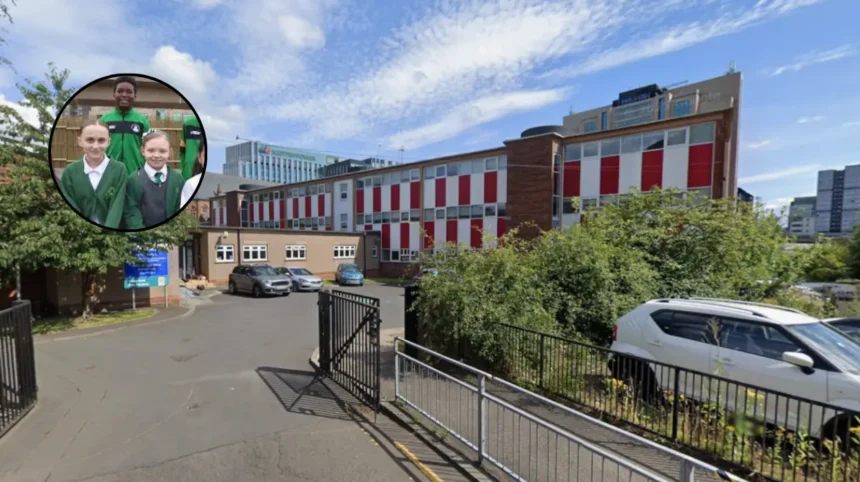
- A new “living wall” made from willow has been installed at St Patrick’s Primary School in Anderston, Glasgow, to shield pupils from noise and visual pollution caused by the nearby M8 motorway.
- The wall introduces fresh greenery and contributes to quieter playtimes for young pupils at the school, which is situated just metres from the busy M8 motorway.
- This installation forms part of a broader initiative to enhance outdoor spaces at schools while promoting sustainability and environmental goals.
- Councillor Angus Millar, convener for climate, praised the project as a prime example of collaborative efforts to create healthier, more enjoyable spaces for children that align with wider sustainability objectives.
- The living willow wall serves as a growing, natural barrier designed specifically to mitigate the impact of passing traffic on the school environment.
Anderston (Glasgow Express) February 27, 2026 – A pioneering “living” willow wall has been unveiled at St Patrick’s Primary School in Anderston, Glasgow, bringing a natural shield against the relentless din and sight of the adjacent M8 motorway. This innovative greenery installation promises quieter playtimes and a greener outdoor space for pupils, while advancing the city’s sustainability agenda. As part of ongoing efforts to improve school environments, the wall stands as a testament to community-driven environmental enhancements.
- Key Points
- What Is the New Living Willow Wall at St Patrick’s Primary?
- Why Was the Willow Wall Installed Next to the M8 Motorway?
- Who Supported the Installation of This Green Feature?
- How Does the Willow Wall Promote Sustainability in Glasgow Schools?
- What Benefits Will Pupils at St Patrick’s Primary Gain?
- Is This Part of Larger Green Initiatives in Anderston?
- When and How Was the Willow Wall Installed?
- What Challenges Did the Project Face Near the M8?
- Will Similar Projects Appear in Other Glasgow Schools?
- Broader Impact on Glasgow’s Urban Environment
What Is the New Living Willow Wall at St Patrick’s Primary?
The living willow wall is a dynamic, growing structure composed of woven willow branches that form a natural barrier.
Unlike static fences, this “living” feature allows the plants to thrive over time, providing both aesthetic and functional benefits. Installed directly next to the school grounds, it addresses the challenges posed by the school’s proximity to the M8 motorway, one of Glasgow’s busiest traffic arteries.
As detailed in coverage by the Glasgow Times, the wall reduces noise pollution from passing vehicles, creating a calmer atmosphere during breaks and outdoor activities.
It also blocks visual pollution, offering pupils a more serene view of foliage rather than the constant stream of cars. This dual-purpose design enhances the overall play experience for the young learners at St Patrick’s Primary.
The project’s emphasis on natural materials underscores its eco-friendly ethos, with the willow expected to root and expand, fostering biodiversity in an urban setting. Such installations are gaining traction in cities worldwide as practical solutions to urban environmental issues.
Why Was the Willow Wall Installed Next to the M8 Motorway?
St Patrick’s Primary School’s location in Anderston places it perilously close to the M8 motorway, exposing pupils to high levels of traffic noise and exhaust fumes daily.
The motorway, a major route through Glasgow, generates significant disruption, with vehicles thundering past just metres from the school boundary. This new wall directly tackles these issues head-on.
According to reports from the Glasgow Times, the installation aims to create a buffer zone that dampens sound waves and obscures the visual intrusion of traffic. Noise reduction is particularly vital during playtimes, when children are most active outdoors. By introducing this green barrier, the school environment becomes more conducive to learning and recreation.
Furthermore, the project aligns with Glasgow City Council’s green initiatives, responding to growing concerns over air quality and urban noise in school vicinities. The M8’s constant flow has long been a point of contention for nearby residents and educators, making this intervention timely and impactful.
Who Supported the Installation of This Green Feature?
Local leadership has been instrumental in bringing the living willow wall to fruition. Councillor Angus Millar, the convener for climate on Glasgow City Council, has been a vocal advocate. As reported by the Glasgow Times, Councillor Millar stated:
“The living willow wall at St Patrick’s Primary School is a wonderful example of how we can work together to create healthier, more enjoyable spaces for children that support wider sustainability goals.”
This endorsement highlights the collaborative spirit behind the project, involving council members, school staff, and possibly environmental partners.
Millar’s comments emphasise the wall’s role in fostering child-friendly spaces amid urban challenges. No other specific individuals or organisations were named in initial reports, but the initiative reflects broader council priorities.
School representatives from St Patrick’s Primary have welcomed the addition, though direct quotes from headteachers or staff were not available in the primary coverage. The project’s success is attributed to seamless partnership, ensuring minimal disruption during installation.
How Does the Willow Wall Promote Sustainability in Glasgow Schools?
Sustainability is at the heart of this installation, transforming a simple noise barrier into an ecological asset. Willow, a fast-growing native plant, requires little maintenance once established and supports local wildlife, including pollinators.
This living wall sequesters carbon, improves air quality by filtering pollutants, and reduces the urban heat island effect around the school.
As part of a wider effort to green school grounds, the project encourages pupils to engage with nature, potentially incorporating educational programmes on environmental stewardship.
Glasgow City Council’s climate agenda, under leaders like Councillor Millar, prioritises such measures to meet net-zero targets.
The use of living materials over concrete alternatives minimises embodied carbon in construction. Over time, the wall will mature, providing long-term benefits without ongoing resource demands. This model could inspire similar projects across Glasgow’s 250-plus primary schools.
What Benefits Will Pupils at St Patrick’s Primary Gain?
Young pupils stand to gain the most from this verdant addition. Quieter playtimes mean less distraction and stress, allowing children to focus on games and social interactions without the motorway’s roar.
The greenery fosters a sense of calm, potentially boosting mental wellbeing in a high-traffic area.
Visually, the wall replaces a stark, noisy backdrop with lush foliage, enhancing the aesthetic appeal of the playground. This could encourage more outdoor activity, vital for physical health amid rising screen time concerns. Educational opportunities arise too, with lessons on plant growth and ecology integrated into the curriculum.
Parents and teachers anticipate improved focus during lessons near the playground, as reduced noise seeps indoors less. The project’s timing, in late February 2026, ensures pupils return from half-term to an enhanced environment, marking a positive shift for the school year.
Is This Part of Larger Green Initiatives in Anderston?
Yes, the willow wall fits into expansive plans to revitalise outdoor spaces in Glasgow schools. Anderston, with its dense urban fabric and motorway proximity, is a focal point for such upgrades. Glasgow City Council has rolled out similar greening projects, targeting pollution hotspots to protect vulnerable communities.
The initiative echoes national trends in the UK, where living walls and green roofs are promoted under the Environment Act 2021. Locally, it complements efforts like tree-planting drives and wildlife corridors along the M8 corridor. Coverage notes this as one element in a “wider effort,” suggesting phased expansions.
Community feedback, though not extensively quoted, appears supportive, with calls for replication in other Anderston schools. This could amplify Anderston’s green profile, countering its industrial heritage.
When and How Was the Willow Wall Installed?
Installation occurred recently, with the unveiling aligned to February 2026 announcements, allowing for winter planting optimal for willow establishment.
The process involved weaving live willow whips into a sturdy frame, secured along the school boundary facing the M8.
Minimal disruption was reported, likely completed during school holidays or after hours. Glasgow Times coverage implies swift execution, crediting council teams for efficiency. Maintenance involves initial watering, transitioning to self-sustaining growth by spring.
Monitoring will track noise reduction levels and plant health, informing future projects. The date of February 27, 2026, marks key publicity, coinciding with current environmental news cycles.
What Challenges Did the Project Face Near the M8?
Proximity to the M8 posed logistical hurdles, including working near live traffic and ensuring structural integrity against vibrations. Pollution-resistant willow varieties were selected to thrive despite exhaust exposure.
Funding and planning approvals in a busy urban zone required coordination, but council backing streamlined these. No major setbacks were reported, underscoring effective project management.
Will Similar Projects Appear in Other Glasgow Schools?
Councillor Millar’s praise suggests scalability, with the wall as a “wonderful example” for replication. Glasgow’s school estate, often near roads, makes this template ideal. Pilot success could prompt bids for more living barriers citywide.
Environmental groups may partner for expansions, integrating with biodiversity net gain policies. Anderston’s project sets a precedent, potentially featured in council sustainability reports.
Broader Impact on Glasgow’s Urban Environment
This installation signals Glasgow’s commitment to resilient, child-centred urban design. By blending nature with infrastructure, it mitigates motorway nuisances while advancing green credentials. As climate convener Millar noted, such collaborations yield “healthier, more enjoyable spaces.”
Long-term, it contributes to cleaner air and reduced noise complaints along the M8. For St Patrick’s pupils, it’s a daily reminder of sustainability’s tangible benefits. The story resonates amid UK-wide pushes for greener cities post-COP summits.