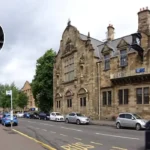
Nestled on the south bank of the River Clyde, Govan stands as a vibrant district in southwest Glasgow, blending ancient Christian heritage with a storied shipbuilding past. This former independent burgh offers timeless insights into Scotland’s evolution from medieval kingdom to modern urban hub. Exploring Govan reveals layers of history that continue to shape its community spirit and cultural identity.
Ancient Origins of Govan
Govan’s story begins in the early medieval period, emerging as a key Christian center within the Brittonic Kingdom of Alt Clut, centered at Dumbarton Rock. Archaeological evidence from Govan Old churchyard points to Christian burials dated to the 5th or 6th centuries, marking it as the region’s earliest known Christian site. Following Viking raids that sacked Alt Clut in 870 AD, Govan rose in prominence under the Kingdom of Strathclyde, serving as an ecclesiastical stronghold amid shifting powers.
The site’s significance deepened with the creation of intricate stone sculptures now celebrated as the Govan Stones, dating from the 9th to 11th centuries. These include hogback tombs, upright crosses, and the striking Govan Sarcophagus, possibly linked to St. Constantine, a Pictish king martyred around 877 AD. The sarcophagus, unearthed in 1855, exemplifies late 9th-century carving styles and underscores Govan’s role in preserving relics during turbulent Viking times.
Named potentially from Cumbric roots as (G)uovan or Gaelic Baile a’ Ghobhainn meaning “the smith’s town,” Govan’s early records appear in 12th-century texts like the Historia regum Anglorum, referencing a place called Ouania near Dumbarton. By 1136, King David I granted its church lands to Glasgow Cathedral, establishing it as a prebend. Floods devastated medieval settlements in 1454, yet the church endured, rebuilt multiple times into the 19th century.
Rise as an Industrial Powerhouse
Transitioning from rural parish to bustling town, Govan’s landscape transformed in the 18th and 19th centuries with textile mills, coal mining, and deepening of the Clyde for trade. A vital ford and ferry connected it to Partick, aiding cattle drovers and fostering early commerce. Shipbuilding soon dominated, starting with Robert Napier’s iron yard in 1841, which launched the PS Vanguard in 1843 and secured Royal Navy contracts.
Govan achieved burgh status in 1864 under the General Police and Improvement Act, becoming Scotland’s fifth-largest burgh with areas like Plantation, Cessnock, and Ibrox. Population surged from 9,000 to 95,000 by 1907, fueled by yards like Fairfield Shipbuilding, founded on the Fairfield estate after John Elder’s innovations post-1869. Provosts like Morris Pollok oversaw modernization, including quays and docks.
The Doomster or Moot Hill, a prominent landmark near Govan Cross possibly a Norman motte or prehistoric mound, vanished in the early 19th century for industrial use. Govan Weavers Society, formed in 1756, persists as a charity, reflecting resilient community ties amid rapid urbanization.
Shipbuilding Glory and Iconic Vessels
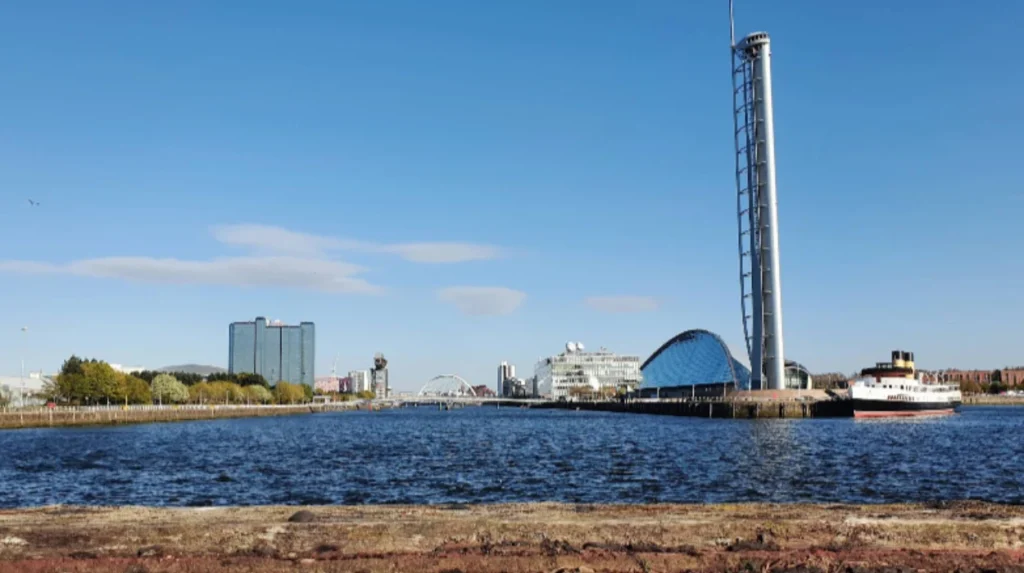
Govan’s shipyards propelled Glasgow to global maritime prominence, producing legendary vessels over decades. Fairfield Shipbuilding and Engineering Company, reorganized in 1885 under William Pearce, crafted luxury liners like RMS Campania and Lucania in the 1890s, alongside warships such as HMS Cressy and Good Hope. Alexander Stephen and Sons in nearby Linthouse added to the output from 1870.
The 20th century saw peaks with Cunard liners including RMS Empress of Britain and wartime heroes like HMS Renown, Valiant, and Implacable. Upper Clyde Shipbuilders (UCS) formed in 1968 merged key yards, but receivership in 1971 sparked the famous UCS work-in led by Jimmy Reid, challenging government aid refusals under Edward Heath. Nationalization followed in 1977 as British Shipbuilders, with privatization in the 1980s leading to Kvaerner Govan and later BAE Systems.
Notable builds include modern Type 45 destroyers like HMS Daring (2006) and Duncan (2010), alongside RFA Wave Ruler. The Clydebuilt Database lists nearly 3,000 ships from firms like Napier, Elder, Beardmore, and Harland & Wolff’s Govan Yard acquired in 1911, cementing Govan’s legacy in maritime history.
Cultural Treasures and Landmarks
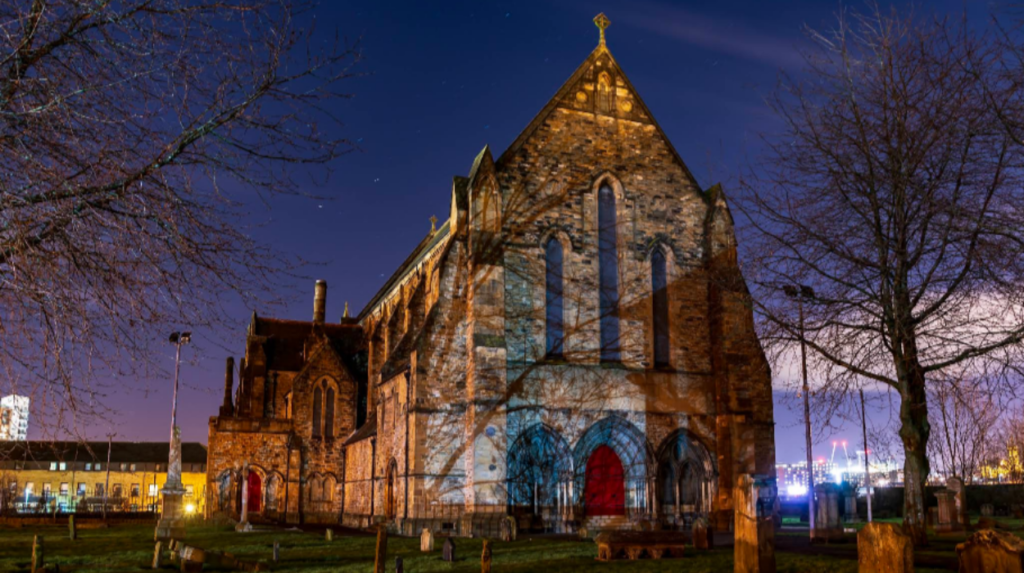
At Govan Old Parish Church, rebuilt in 1884-1888 by Sir Robert Rowand Anderson and funded partly by philanthropist Isabella Elder, visitors encounter the Govan Stones museum. This collection features Anglo-Scandinavian hogbacks, the Govan Warrior carving, and cross-slabs, illuminating Strathclyde’s Viking-Age artistry. Elder Park, gifted by Mrs. Elder, hosts markets and events, enhancing communal life.
The Riverside Museum nearby showcases transport history, tying into Govan’s Clyde heritage. Govan Graving Docks, revived via heritage projects, now feature museums, art by locals like Eilidh MacLeod, and tours reclaiming industrial narratives. Sunny Govan radio on 103.5FM broadcasts community stories, soul, and reggae, while past papers like Govan Chronicle preserved local voices.
Community Life and Political Pulse
Govan’s population stabilized around recent decades, with shifts toward working-age groups and minority ethnic representation rising to 9% by 2011, below Glasgow averages. Once marked by 1930s housing estates like Moorepark (“Wine Alley”), notorious for poverty and unemployment, it inspired cultural nods like Rab C. Nesbitt, though filmed elsewhere.
Politically, Labour dominated, but SNP triumphs include Margo MacDonald in 1973, Jim Sillars in 1988, and Nicola Sturgeon in 2007. Mary Barbour’s rent strike organization here highlighted women’s activism. Sports thrive with Rangers’ Govan Stand at Ibrox and juniors like Benburb F.C.
Modern Regeneration and Future Prospects
Deindustrialization hit hard post-1970s, but regeneration revives Govan. Waterfront developments include 92 £17 million flats by Govan Housing Association, praised by Councillor Susan Aitken for jobs and homes. Elder Park now buzzes with festivals and yoga, fostering cohesion per Elder Park Trust’s Paul Kane.
Govan Heritage Trail and infrastructure upgrades around Govan Old boost tourism potential. BAE Systems continues operations, while community trusts and artists redefine identity. Proximity to Glasgow Subway stations like Govan, Ibrox, and Cessnock ensures connectivity.
Notable Figures from Govan’s Story
Govan nurtured icons like Sir Alex Ferguson, raised here before football fame; philanthropist Isabella Elder, who funded libraries and parks; and trade unionist Jimmy Reid. Writers James Kelman, actors Iain Robertson and Johnny Beattie, and Olympic swimmer Belle Moore hail from its streets. George MacLeod founded the Iona Community from Govan Old, while Leo Blair Sr., father of Tony Blair, grew up on Golspie Street.
Why Govan Endures as Glasgow’s Hidden Gem
Govan encapsulates Scotland’s journey: from sacred Celtic ground to shipbuilding titan, now a regenerating riverside community. Its stones whisper ancient tales, yards echo industrial triumphs, and parks pulse with new energy. For Glasgow Express readers, Govan invites exploration of authentic heritage just west of the city center, where history meets resilient spirit.